Planxty: The Irish Folk Band That Changed Traditional Music
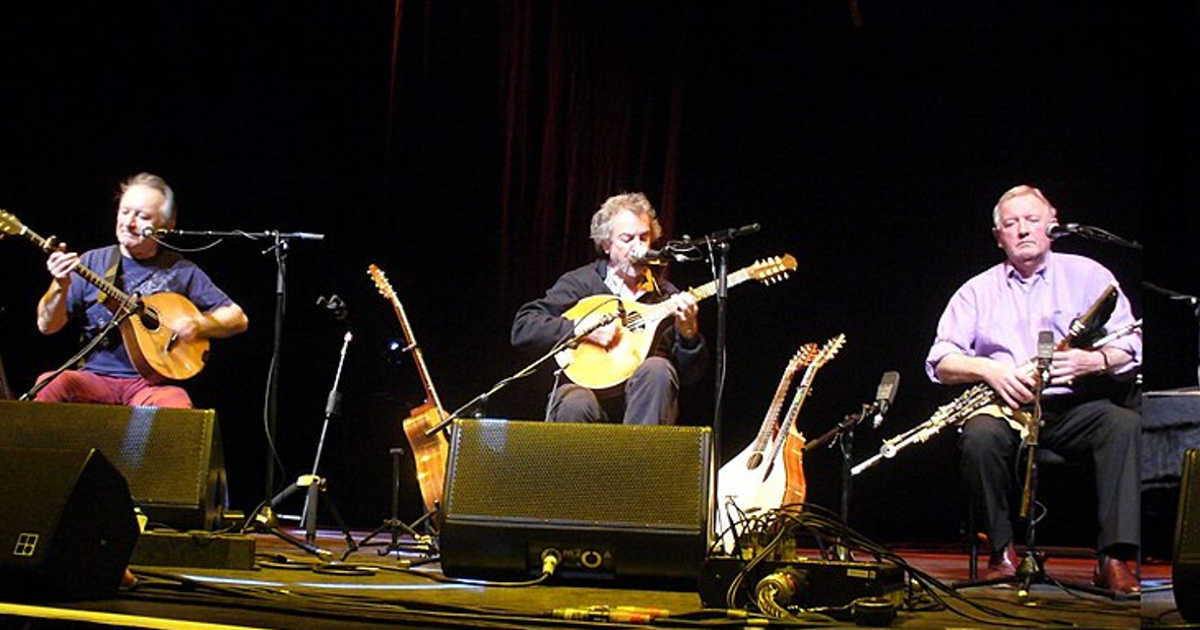
Few Irish bands have had quite the same influence on traditional music as Planxty. Formed in the early 1970s, the group brought a fresh energy to Irish folk music, mixing old ballads, lively instrumentals and some brilliant musicianship. With Christy Moore among its founding members, Planxty helped introduce traditional Irish music to a whole new audience.
Formation
Planxty came together in 1972 following the recording of Christy Moore's solo album Prosperous
. The original lineup featured Moore on vocals and guitar, Andy Irvine on vocals and mandolin, Dónal Lunny on bouzouki and Liam O'Flynn on uilleann pipes. All four were accomplished musicians, and their different musical backgrounds gave the band something special from the beginning.
The Early Years
During their early days, Planxty developed a sound that was quite different from most traditional Irish groups at the time. They combined Irish ballads and jigs with influences from Eastern European folk music, particularly through Andy Irvine. Lunny's bouzouki playing and O'Flynn's beautiful piping gave their music a distinctive sound that was both traditional and excitingly new.
Breakthrough
Planxty's breakthrough came in 1972 when they supported Donovan at a concert in Galway, winning over an audience that had come to see someone else. Their debut single, "The Cliffs of Dooneen", also attracted attention, while their self-titled debut album in 1973 established them as one of Ireland's most exciting folk acts. Things were moving quickly for the band.
The Singles
Although Planxty were never really a conventional singles band, they recorded some absolute classics. The Cliffs of Dooneen
, Three Drunken Maidens
and Sí Bheag, Sí Mhór
were among their early releases. Other favourites included The Raggle Taggle Gypsy
and The Well Below the Valley
, while Timedance
, backed with Nancy Spain
, arrived as a single in 1981.
The Albums
Planxty released six studio albums, beginning with Planxty and The Well Below the Valley
in 1973, followed by Cold Blow and the Rainy Night
in 1974. After several lineup changes and a reunion, they returned with After the Break
(1979), The Woman I Loved So Well
(1980) and Words & Music
(1983). The excellent Live 2004 later captured their reunion performances.
Final Verdict
Planxty were one of those rare bands who managed to change traditional Irish music without losing what made it special in the first place. Their mixture of powerful singing, brilliant musicianship and inventive arrangements inspired countless artists who followed. More than fifty years after they first got together, their recordings still sound remarkably fresh. For anyone interested in Irish folk music, Planxty are essential listening.
Photo Credit: candyschwartz / Wikimedia Commons / CC BY 2.0