Rory Gallagher Albums Guide: From Taste to a Blues-Rock Legend
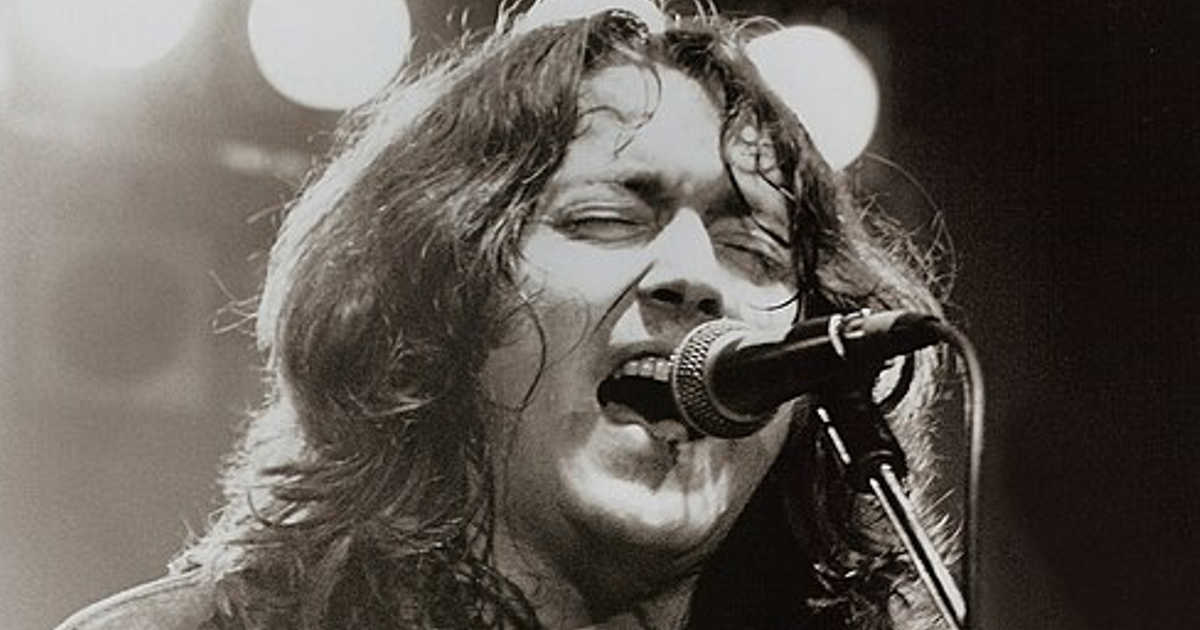
Few Irish musicians have left behind a body of work quite like Rory Gallagher. From the raw blues-rock of Taste in the late 1960s to the increasingly varied records released under his own name, Gallagher spent his career doing things his way. Trends came and went, but Rory's battered Stratocaster, fiery live performances and devotion to the blues remained constant.
There is also far more to the Rory Gallagher catalogue than guitar solos. Across his studio and live albums you'll find hard rock, country blues, folk, jazz, acoustic music and even flashes of Celtic influence. If you're discovering Gallagher for the first time, or simply looking to revisit an old favourite, here's our guide to the essential albums of his career.
Taste – Taste (1969)
Released on 1st April 1969, Taste
introduced the wider world to a 20-year-old Rory Gallagher who already sounded like he'd spent decades playing the blues. Recorded at De Lane Lea Studios in London, the album is built around the classic power-trio combination of Gallagher, bassist Richard McCracken and drummer John Wilson. Blues-rock dominates, but there are already signs of Gallagher pushing beyond the standard late-'60s blues boom, mixing hard rock, acoustic blues and lengthy improvisation into the equation.
Essential listening starts with the thumping Blister on the Moon
, followed by the blues-soaked Sugar Mama
and the brilliant Born on the Wrong Side of Time
. There's plenty more worth digging into, particularly the extended Catfish
, but those three tracks give you a pretty good idea why Gallagher was already attracting serious attention.
Taste – On the Boards (1970)
Released on 1st January 1970, On the Boards
was a major step forward. Taste were still rooted firmly in blues-rock, but Gallagher was now bringing jazz, folk and psychedelic touches into the band's sound. He even added saxophone to his growing list of instruments. The result is a far more adventurous record than the debut and one that proved Taste weren't interested in simply copying Cream or the other blues-rock power trios of the period.
The explosive What's Going On
is the obvious starting point, while Railway and Gun
shows Rory's blues roots and It's Happened Before, It'll Happen Again
heads off into jazzier territory. Taste would soon be gone, but On the Boards showed just how much ground Gallagher could cover when given room to move.
Rory Gallagher – Rory Gallagher (1971)
Released on 7th May 1971, Rory's self-titled debut marked a fresh start following the break-up of Taste. With Gerry McAvoy on bass and Wilgar Campbell on drums, Gallagher stripped things back while at the same time widening his musical palette. Blues-rock remains the foundation, but folk, jazz and acoustic blues all find their way into an album that feels remarkably confident for the first record under his own name.
For essential listening, begin with Laundromat
, one of Gallagher's great opening tracks, before moving on to the slow-burning I Fall Apart
and the superb For the Last Time
. Those latter two tracks also reveal a more reflective side of Rory that could sometimes be overlooked beside all the guitar heroics.
Rory Gallagher – Deuce (1971)
Rory barely gave anyone time to catch up. Released on 26th November 1971, only months after his debut, Deuce
sounds rougher, tougher and deliberately closer to the feel of Gallagher's live shows. Blues-rock sits at its heart, but country blues, folk and hard rock all make appearances, with Rory looking for atmosphere and energy rather than an overly polished studio sound.
Three tracks make particularly good entry points: Used to Be
, the magnificent Crest of a Wave
and the acoustic Don't Know Where I'm Going
. Johnny Marr would later identify Deuce as a hugely important record in his development as a guitarist, and it's easy to hear why: this is Gallagher sounding loose, natural and completely at home.
Rory Gallagher – Blueprint (1973)
Released on 16th February 1973, Blueprint
introduced the classic Gallagher line-up of Gerry McAvoy, drummer Rod de'Ath and Belfast keyboard player Lou Martin. Martin's arrival immediately gave Rory more room to work with, adding piano and keyboards to a sound that remained rooted in blues-rock but now had considerably more colour and depth.
Essential tracks include the driving Walk on Hot Coals
, the atmospheric Daughter of the Everglades
and Seventh Son of a Seventh Son
. The album feels like a band finding a new gear, and that line-up would become central to some of Rory's finest work.
Rory Gallagher – Tattoo (1973)
Released on 9th November 1973, Tattoo
arrived less than nine months after Blueprint and caught Gallagher in a particularly rich run of form. Blues-rock is still the backbone, but jazz, folk, boogie and hard rock are all thrown into the mix. The expanded band were now completely comfortable with each other, giving Gallagher's songs space without losing any of the punch of his earlier power-trio recordings.
Picking three songs isn't easy, but Tattoo'd Lady
, Cradle Rock
and the beautiful A Million Miles Away
are essential. The last of those in particular shows why reducing Rory Gallagher to the label of guitar hero
misses a large part of the story. He could write a serious song too.
Rory Gallagher – Against the Grain (1975)
Released on 24th October 1975, Against the Grain was Rory's first album for Chrysalis and found him toughening up his sound. The blues was never going anywhere, but there's a harder rock edge running through the record, balanced by acoustic material and Gallagher's continuing fascination with older American roots music. By this stage the McAvoy, Martin and de'Ath line-up had spent years together, and you can hear it.
Three tracks worth heading straight for are "Let Me In", "Bought and Sold" and Rory's wonderful acoustic take on "Out on the Western Plain". It's an album that manages to be muscular and subtle at the same time, depending on which Rory turns up.
Rory Gallagher – Calling Card (1976)
Released on 22 October 1976, Calling Card saw Gallagher do something unusual for him: bring in an outside producer. Deep Purple bassist Roger Glover joined Rory behind the desk at Musicland Studios in Munich, helping to create a polished but still powerful mixture of blues-rock, hard rock and jazz-influenced material. It would also be the final album made by the classic McAvoy, Martin and de'Ath line-up.
"Do You Read Me" is a cracking opener, "Moonchild" became one of Gallagher's great live rockers, and the title track "Calling Card" shows the more sophisticated side of the album. If you want a Rory record that bridges blues, hard rock and something a little more adventurous, this is a very good place to start.
Rory Gallagher – Photo-Finish (1978)
Released on 13 October 1978, Photo-Finish returned Gallagher to the power-trio format alongside Gerry McAvoy and former Sensational Alex Harvey Band drummer Ted McKenna. The album had endured a difficult birth, with Rory abandoning earlier San Francisco recordings before starting again at Dierks Studio in Cologne. That decision paid off: the finished record is lean, loud and far more immediate.
"Shin Kicker", "Brute Force and Ignorance" and the mighty "Shadow Play" rank among its essential cuts. The last of those became one of Gallagher's great live showpieces and remains one of the best examples of how he could build an entire song around a killer guitar riff.
Rory Gallagher – Top Priority (1979)
Released on 14 September 1979, Top Priority continued where Photo-Finish left off. Rory, McAvoy and McKenna were now a ferociously tight three-piece, and the album pushes strongly towards hard rock without abandoning Gallagher's blues foundations. The title apparently came from Chrysalis promising that his next record would be given "top priority" following his growing success in America. Rory made sure they wouldn't forget it.
Essential listening comes in the shape of "Follow Me", the spy-themed "Philby" and "Bad Penny", which became another long-term live favourite. It's one of Gallagher's most straightforward rock records and a reminder that, when required, he could hit every bit as hard as the heavier bands surrounding him at the end of the '70s.
Rory Gallagher – Jinx (1982)
Released on 30 April 1982, Jinx arrived at a difficult time for guitar-based blues-rock. New wave, synth-pop and the changing musical landscape of the early '80s were everywhere, but Gallagher had little interest in chasing fashions. With Brendan O'Neill replacing Ted McKenna on drums, Rory instead delivered another mixture of blues, rock and roots music, occasionally expanding the sound with keyboards and saxophone.
"Big Guns" gives the album a strong shot of rock'n'roll energy, "Easy Come, Easy Go" slows things down beautifully, while "Jinxed" digs deeper into the blues. It may not have enjoyed the commercial profile of Rory's '70s records, but there's far more going on here than its relatively low profile might suggest.
Rory Gallagher – Defender (1987)
After a five-year gap between studio albums, Gallagher returned with Defender, released on 1 July 1987. Rather than attempting to sound like the mid-'80s, Rory went deeper into the music that had inspired him in the first place. Blues dominates, but there's still plenty of rock muscle, along with acoustic playing, slide guitar and the occasional unusual studio texture.
"Kickback City", the John Lee Hooker-flavoured "Loanshark Blues" and "Continental Op" are the three tracks we'd start with. Rory was no longer releasing albums at the pace of his '70s peak, but Defender proved the fire hadn't disappeared.
Rory Gallagher – Fresh Evidence (1990)
Released on 14 May 1990, Fresh Evidence would become Rory Gallagher's final studio album. It's a darker and more reflective record than much of his earlier work, combining blues-rock with Delta and Chicago blues, acoustic textures, jazz touches and even Celtic colour. Gallagher also stretches the instrumentation with dulcimer, electric sitar and mandola, while harmonica, piano and brass help broaden the arrangements.
For essential listening, try the haunting "Ghost Blues", the instrumental "The Loop" and "Heaven's Gate". There is a weariness running through parts of Fresh Evidence, but there's also invention and defiance. It wasn't intended as a farewell, yet it makes for a powerful final studio chapter.
Essential Rory Gallagher Live Albums
Studio albums only tell half the Rory Gallagher story. For many fans, the real magic happened when Rory walked onto a stage, plugged in the Strat and let the songs take on a life of their own. Thankfully, some of his greatest nights were captured on record.
Rory Gallagher – Live in Europe (1972)
Released in May 1972, Live in Europe was the album that really captured what all the fuss was about. Recorded with Gerry McAvoy and Wilgar Campbell, it's raw blues-rock with very little standing between the band and the listener. Gallagher attacks old blues and R&B material with the same enthusiasm he brings to his own songs, and the audience becomes almost another member of the band.
Essential listening includes "Messin' with the Kid", "Laundromat" and the roaring "Bullfrog Blues". If somebody has never heard Rory Gallagher before and you want to explain why his live reputation became so enormous, this album will do most of the work for you.
Rory Gallagher – Irish Tour '74 (1974)
Released on 19 July 1974, Irish Tour '74 is the Rory Gallagher live album. Recorded during shows in Cork, Dublin and Belfast during a particularly difficult period in Irish history, it captures Gallagher and his band at full power. Blues-rock, hard rock, traditional blues and quieter acoustic moments all sit side by side, but it's the sheer intensity of the performances that makes the record special.
Choosing just three tracks is almost cruel, but "Walk on Hot Coals", "Tattoo'd Lady" and "A Million Miles Away" are essential. The Belfast performance also carried particular significance at a time when many major touring acts were avoiding the city. More than half a century later, Irish Tour '74 remains the record that best explains why Rory Gallagher's reputation as a live performer refuses to fade.
Rory Gallagher – Stage Struck (1980)
Released on 24 October 1980, Stage Struck catches the harder-rocking Gallagher of the Photo-Finish and Top Priority period in full flight. Gerry McAvoy and Ted McKenna provide a thunderous rhythm section, while Rory turns the amps up and attacks the material with the urgency of a man who seems incapable of giving anything less than everything on stage.
The three must-hear performances are "Shin Kicker", "Moonchild" and "Shadow Play", although "Bad Penny" runs them very close. Where Irish Tour '74 shows the full range of Gallagher's music, Stage Struck concentrates on the heavier end of the scale. Turn it up and you'll understand the title.
Where Should You Start With Rory Gallagher?
If you're completely new to Rory Gallagher, we'd start with Irish Tour '74. It captures the fire of his live performances while showing just how broad his music could be. From there, Tattoo, Deuce and Calling Card offer three different views of Rory in the studio, while On the Boards is essential if you want to hear how adventurous Taste had become before their break-up.
The real answer, though, is to keep going. Rory Gallagher never made the same record twice. Blues was always at the centre of his music, but around it you'll find hard rock, jazz, folk, country, Celtic music and rock'n'roll. More importantly, you'll hear a musician who never sounded as though he was following whatever happened to be fashionable that year. Decades after his final studio album, that's a big part of why these records still sound like Rory Gallagher — and nobody else.
Read More | 10 Essential Rory Gallagher Songs
Photo Credit: **************************
Enjoying the reviews and gig guides on theBeat.ie?
Running an independent music blog takes plenty of late nights and caffeine.
If you’d like to support the site and help keep the new music coming, consider buying me a coffee!
☕ Buy Me A Coffee