Shane MacGowan: The Life, Music and Legacy of an Irish Legend
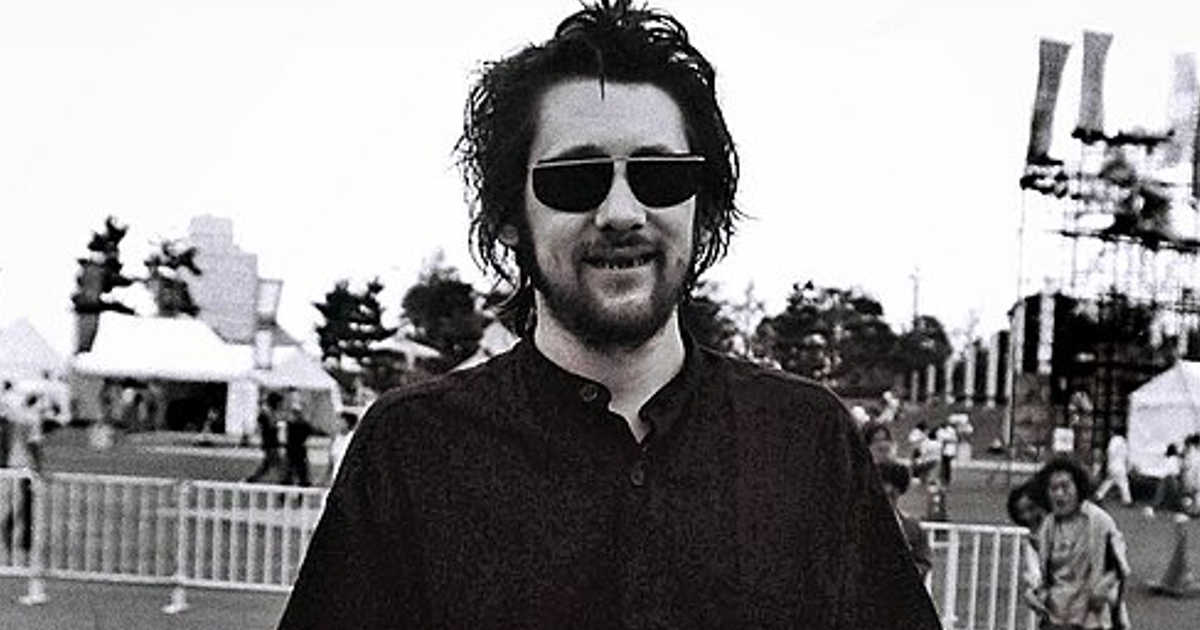
Shane MacGowan was one of the most recognisable characters in Irish music, a singer-songwriter who mixed traditional Irish folk with the raw energy of punk rock. Best known as the frontman of The Pogues, he had a voice like no other, a reputation for wild behaviour and a remarkable talent for writing unforgettable songs. From London's punk clubs to some of the biggest stages in the world, Shane carved out a career that was anything but ordinary, becoming one of Ireland's most celebrated songwriters along the way.
Early Life
Shane Patrick Lysaght MacGowan was born on Christmas Day, 1957, in Pembury, Kent, England, to Irish parents. Although born in England, Shane spent much of his early childhood in County Tipperary, where he was surrounded by traditional Irish music, storytelling and lively family gatherings. His family had a strong connection to Irish culture, and music was a regular part of everyday life. Those early experiences would leave a lasting impression on Shane and eventually become a huge influence on his songwriting and musical direction.
The MacGowan family eventually settled in London, where Shane grew up between two very different cultures. A bright student with a love of literature, he won a scholarship to the prestigious Westminster School but was expelled in 1971 after being caught with drugs. His teenage years were far from conventional, and he soon became drawn to London's underground music scene. Despite spending much of his life in England, his Irish roots remained strong, something that would eventually become central to his music and identity.
Introduction to Music
During the mid-1970s, Shane became a familiar face on London's emerging punk scene, regularly attending gigs by bands such as the Sex Pistols and The Clash. With his distinctive appearance, rebellious attitude and unpredictable behaviour, he quickly became a recognisable character among London's young punks. He even appeared in the music press under the nickname Shane O'Hooligan following an incident at a Clash gig. Punk's raw energy and disregard for musical rules appealed to Shane, and it wasn't long before he decided to get involved himself.
The Nipple Erectors
In 1976, Shane formed The Nipple Erectors alongside bassist Shanne Bradley, with the band later shortening their name to The Nips. They became part of London's growing punk movement, playing small venues and releasing singles including King of the Bop and Gabrielle. Their music mixed punk rock with elements of rockabilly and old-fashioned rock 'n' roll. Although they never achieved major commercial success, the band gave Shane valuable experience as a frontman and songwriter, helping him develop the distinctive style that would later make him famous.
The Pogues
In 1982, Shane joined forces with musicians including Spider Stacy and Jem Finer to form a band initially known as Pogue Mahone, later shortened to The Pogues. The early line-up also featured James Fearnley, Cait O'Riordan and Andrew Ranken, with other musicians joining as the band developed. Their sound was unlike anything else around at the time, mixing traditional Irish folk instruments, including the tin whistle, accordion and banjo, with the speed and attitude of punk rock. It was loud, energetic, occasionally chaotic and completely different from the polished pop music dominating the charts.
The Pogues released their debut album, Red Roses for Me, in 1984, followed by the critically acclaimed Rum Sodomy & the Lash in 1985. Their popularity continued to grow, particularly after the release of If I Should Fall from Grace with God in 1988, which featured the Christmas classic Fairytale of New York. The song, recorded with Kirsty MacColl, became their biggest hit and remains one of the most popular Christmas songs ever recorded. By the late 1980s, The Pogues had established themselves as one of the most distinctive bands in British and Irish music.
The Popes
Despite the success of The Pogues, Shane's heavy drinking, drug use and increasingly unpredictable behaviour began causing serious problems within the band. His live performances could be brilliant one night and a complete disaster the next, making touring increasingly difficult for the other members. Following a troubled period that included an appearance at Japan's Fuji Rock Festival in 1991, Shane was dismissed from the group. His departure marked the end of an important chapter in The Pogues' story, although his reputation as one of Ireland's finest songwriters remained firmly intact.
Following his departure, Shane put together a new group, Shane MacGowan and The Popes, returning to the studio and live circuit. Their debut album, The Snake, arrived in 1994, followed by The Crock of Gold in 1997. The music continued in a familiar direction, combining Irish folk, rock and punk influences with Shane's unmistakable vocals and storytelling. Songs such as The Song with No Name and That Woman's Got Me Drinking showed that he still had plenty of good material left, even if his wild lifestyle continued to attract as much attention as the music.
Return to The Pogues
In 2001, Shane reunited with The Pogues for a series of live performances, bringing the band's classic line-up back together after a decade apart. The reunion proved hugely popular, particularly in Ireland and Britain, where their Christmas concerts became something of a tradition. Although the band never recorded another studio album with Shane, they continued touring and performing their best-known songs for enthusiastic audiences. Their final performances together took place in 2014, bringing an end to a remarkable career that had helped reshape the sound of modern Irish music.
The Songs
Shane MacGowan wrote some of the most memorable songs in Irish music, including A Pair of Brown Eyes
, Sally MacLennane
, The Old Main Drag
and The Broad Majestic Shannon
. His best-known composition, Fairytale of New York, a duet with Kirsty MacColl, became a Christmas favourite thanks to its unusual mix of romance, heartbreak, humour and unforgettable storytelling. Unlike most Christmas songs, it told the story of a troubled relationship rather than offering a cheerful festive message, which was probably one of the reasons it connected with so many people.
What made Shane such a brilliant songwriter was his ability to capture ordinary lives, lost love, drinking, emigration and the darker side of life without making his songs feel forced or overly sentimental. Tracks such as Rainy Night in Soho
and Thousands Are Sailing
showed a depth that went far beyond punk rock, combining beautiful melodies with vivid characters and powerful lyrics. His songs could be funny, heartbreaking and brutally honest, sometimes within the same verse. It was this rare gift for storytelling that earned him a reputation as one of the greatest songwriters of his generation.
Legacy
Shane MacGowan died on 30th November 2023, aged 65, leaving behind an extraordinary musical legacy. With The Pogues, he helped introduce traditional Irish music to a completely different audience, proving that folk and punk could work brilliantly together. Their energetic sound, rebellious attitude and unforgettable songs influenced countless musicians in Ireland and beyond, helping pave the way for later Celtic punk bands. Shane was never the most conventional performer, but that was part of his appeal. His unmistakable voice, colourful personality and outstanding songwriting made him a true original, and his contribution to Irish music won't be forgotten.
READ MORE | 10 Essential Shane MacGowan Songs
Photo Credit: Masao Nakagami / Wikimedia Commons / CC BY-SA 2.0