10 Popular Songs That Reference Drugs
Drugs and rock music have been linked for pretty much as long as rock music has existed. And while not every song with a strange lyric or psychedelic sound is secretly about getting high, there are plenty of tracks where drugs are either right there in the lyrics or hiding just beneath the surface.
The 1960s and '70s were especially packed with them. It was the era of psychedelia, counterculture and rock stars behaving badly, so it's probably no surprise that drugs found their way into a lot of songs.
Some of these tracks were controversial when they came out. Some were banned from the radio. Others were misunderstood for years. And a few probably weren't actually about drugs at all.
Here are 10 popular songs that have become closely associated with drugs, whether the artists intended them to be or not.
1. Mellow Yellow
– Donovan
Let's start with one of the great weird ones.
Donovan released Mellow Yellow
in 1966, and it quickly became a big hit, eventually reaching No. 2 in the US. The song's psychedelic sound and bizarre lyrics made people assume there was some kind of druggy meaning behind it.
The biggest culprit was probably the electrical banana
line. Around the time, there was a ridiculous rumour that you could smoke banana skins to get high. The rumour was nonsense, but it became popular enough to become part of the song's mythology.
Donovan later explained that the electrical banana
was actually a reference to a vibrator. So, no secret banana-based high after all.
At the time, Mellow Yellow
fitted perfectly into the psychedelic pop scene. Today, it feels like a wonderfully strange time capsule from the 1960s — colourful, catchy and just a little bit bonkers.
2. Golden Brown
– The Stranglers
Golden Brown
is one of those songs that sounds incredibly pretty until you realise what it's actually about.
The Stranglers released it in 1981 on their album La Folie. The song is widely understood to be about heroin, although there's a twist: songwriter Hugh Cornwell has explained that it was also about a woman.
That's what makes the song so interesting. The lyrics are deliberately vague, while the music is beautiful and almost hypnotic. There's a strange harpsichord sound running through it that makes the whole thing feel like something from another century.
When it came out, it became a hit despite its fairly obvious drug associations. Today, it's probably one of the most recognisable songs about heroin — although you could easily listen to it without knowing what it's about and simply enjoy the bizarre, beautiful arrangement.
3. Lucy in the Sky with Diamonds
– The Beatles
You can't really make a list of psychedelic songs without including this one.
The Beatles released Lucy in the Sky with Diamonds
on Sgt. Pepper's Lonely Hearts Club Band in 1967. Almost immediately, people noticed that the first letters of Lucy, Sky and Diamonds spell LSD.
Coincidence? Maybe. John Lennon always said the song wasn't deliberately about LSD. He claimed the title came from a drawing his son Julian brought home from school, which he called Lucy in the sky with diamonds.
Still, it's not hard to see why people made the connection. The song is packed with surreal imagery, colourful characters and dreamlike scenes. It sounds exactly like what you'd expect a psychedelic Beatles song to sound like.
Whether Lennon was telling the whole story or not, the LSD connection has stuck. Today, Lucy in the Sky with Diamonds
is considered one of the band's classic psychedelic tracks.
4. White Rabbit
– Jefferson Airplane
If Lucy in the Sky with Diamonds
is psychedelic pop, White Rabbit
is the full-on trip.
Jefferson Airplane released the song in 1967, with Grace Slick providing the unforgettable vocals. The lyrics borrow heavily from Lewis Carroll's Alice in Wonderland, with references to things getting bigger and smaller, going down the rabbit hole and generally losing touch with reality.
The drug connection here isn't particularly subtle. The song was inspired by the psychedelic experience, particularly LSD, and Slick used Alice's surreal world as a way of talking about altered states of consciousness.
It was pretty wild stuff for mainstream radio in 1967. Somehow, though, White Rabbit
became a major hit, reaching No. 8 in the US.
These days it's regarded as one of the defining songs of the psychedelic era. That slow build and Grace Slick's increasingly intense vocal still sound fantastic.
5. Purple Haze
– The Jimi Hendrix Experience
The title alone makes Purple Haze
sound like it should be on this list.
The Jimi Hendrix Experience released the song in 1967, and it quickly became one of Hendrix's signature tracks. It's full of strange, dreamlike lyrics and, of course, that absolutely filthy guitar sound.
Purple haze
has often been interpreted as a reference to LSD or another psychedelic drug. Given Hendrix's place in the 1960s psychedelic scene, it's an understandable assumption.
But Hendrix himself didn't describe the song as simply being about drugs. There are other interpretations, including dreams and romantic confusion.
Whatever the original meaning, the drug association is now almost impossible to separate from the song. Purple Haze
has become one of the defining sounds of psychedelic rock and one of Hendrix's most famous recordings.
6. Comfortably Numb
– Pink Floyd
Comfortably Numb
is a slightly different kind of drug song.
Released by Pink Floyd on The Wall in 1979, the track tells the story of a performer who is given an injection by a doctor so he can get through a show. The drugs leave him feeling detached and, well, comfortably numb.
The song isn't really celebrating drugs. Quite the opposite. The injection is part of the wider story of isolation, emotional disconnection and the pressures of being a rock star.
And then there's that guitar solo.
Comfortably Numb
has gone on to become one of Pink Floyd's most loved songs, with David Gilmour's guitar work being a huge part of its reputation.
The drug reference is still interesting, but these days most people probably connect the song more broadly with the feeling of being emotionally checked out.
7. Cocaine
– Eric Clapton
It's hard to make a list of songs about drugs and leave out a song literally called Cocaine.
Eric Clapton's version appeared on his 1977 album Slowhand, although the song was actually written by J.J. Cale, who released his own version the year before.
As you might have guessed, it's about cocaine.
What's interesting is that the song doesn't come across as a straightforward anti-drug lecture. Instead, it captures the attraction and danger of cocaine in a way that's much more laid-back and ambiguous.
Clapton's version became hugely popular and has remained one of his best-known songs.
There's something slightly uncomfortable about how cool the song sounds when you know what it's about. That's probably part of the reason it has lasted so well.
8. Mother's Little Helper
– The Rolling Stones
Not all drug songs are about rock stars taking illegal substances.
The Rolling Stones' Mother's Little Helper,
released in 1966, takes aim at something much more respectable-looking: prescription pills.
The song focuses on the tranquilizers being taken by suburban housewives to get through their day. In other words, Mother's Little Helper
isn't really about partying — it's about using drugs to cope with everyday life.
That made the song pretty controversial at the time. The subject was uncomfortable, particularly because prescription drug use was often viewed very differently from illegal drug use.
Today, the song feels surprisingly relevant. The idea of taking something just to get through a stressful day isn't exactly an outdated concept.
It's also a good reminder that the relationship between music and drugs isn't always about getting high. Sometimes it's about trying to escape from real life.
9. The Needle and the Damage Done
– Neil Young
This is probably the darkest song on the list.
Neil Young released The Needle and the Damage Done
in 1972. It's a short, stripped-back acoustic song about heroin addiction and the damage it can do.
Young was particularly affected by the heroin addiction of Danny Whitten, his friend and Crazy Horse bandmate, who died of a heroin overdose in 1972.
There's none of the psychedelic fun you get with some of the other songs here. It's sad, direct and incredibly personal.
That's also why the song has lasted. Rather than making addiction sound glamorous, Young focuses on what gets lost — friendships, talent and ultimately people's lives.
More than 50 years later, it remains one of the most powerful songs ever written about addiction.
10. Rainy Day Women #12 & 35
– Bob Dylan
And finally, we've got Bob Dylan's wonderfully chaotic Rainy Day Women #12 & 35.
Released in 1966, the song became famous for its repeated use of the phrase everybody must get stoned.
Naturally, plenty of people assumed Dylan was talking about drugs.
Radio stations weren't impressed. The song was banned by a number of stations because of its apparent drug references.
But, as usual with Dylan, things aren't quite that simple.
Dylan denied that the song was about drugs, and stoned
can also mean being punished by stoning — a biblical reference. Whether you believe that explanation is another question entirely.
Whatever he meant, the controversy certainly didn't hurt the song. It became a major hit, reaching No. 2 in the US.
Today, it's remembered as one of Dylan's most playful and chaotic songs from the 1960s. And yes, it's still almost impossible to hear everybody must get stoned
without thinking about drugs.
Why are there so many drug references in rock music?
There's obviously no shortage of songs about drugs, but what's interesting is how differently musicians have approached the subject.
For some artists, drugs represented freedom and experimentation. For others, they represented addiction, loneliness and destruction. And sometimes, as with The Beatles and Bob Dylan, the drug connection wasn't even necessarily what the songwriter intended.
That's what makes these songs so interesting.
Whether they're about LSD, heroin, cocaine, prescription medication or simply the idea of escaping reality, drugs have played a huge role in the story of rock music.
And even decades later, these songs still sound great — which might be the most enduring trip of all.
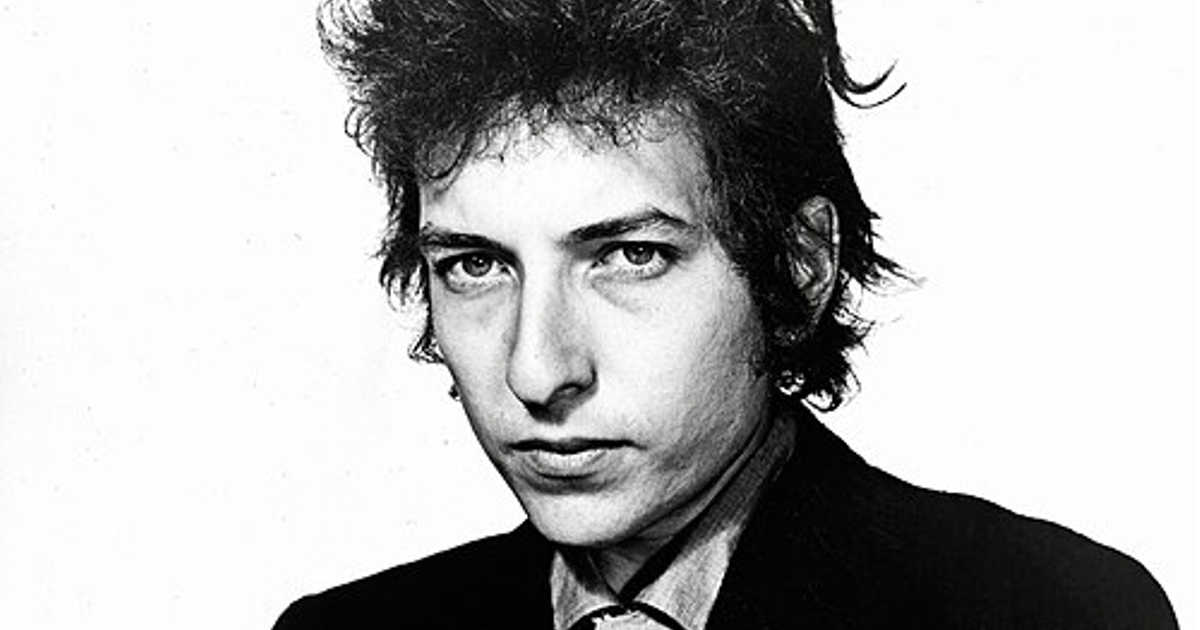
Photo Credit: Bob Dylan, 1965 publicity portrait by Daniel Kramer. Source: Wikimedia Commons. Public Domai