Inside Tommy: The Who’s Pinball Wizard as a Spiritual Hero
Rockapedia, 2026
At first glance, Tommy sounds like classic late ’60s rock excess: crashing drums, big emotions, and a kid who becomes a pinball champion. But beneath the noise, Pete Townshend was doing something much deeper. Tommy isn’t just a troubled boy — he’s a spiritual character, shaped by ideas about rebirth, enlightenment, and the search for meaning.
Townshend imagined Tommy as a kind of disciple moving through multiple lifetimes. Each time the child is reborn, he comes back with more inner wisdom, even though his life is still full of pain and confusion. The tragedy is that Tommy doesn’t know how far he’s come. His lack of awareness becomes its own handicap.
That’s where the idea of Tommy being deaf, dumb, and blind really matters. Townshend decided that since the boy couldn’t recognize his own spiritual growth, his isolation could be shown physically. He even imagined Tommy as autistic, using sensory deprivation as a symbol rather than a diagnosis. Tommy’s condition stands in for the way most people move through life cut off from deeper understanding.
When Townshend wanted to show the moment of spiritual awakening, he kept it simple and dramatic: Tommy’s senses come back. Suddenly he can see, hear, and speak. Enlightenment isn’t explained — it’s felt. The boy’s recovery becomes a powerful metaphor for breaking through everyday spiritual numbness.
Behind all of this was a surprisingly detailed plan. While writing Tommy, Townshend sketched a diagram mapping the beginning and end of seven journeys involving rebirth. He was trying to pull off two big ideas at once: showing the relationship between disciple and master, and telling a Hermann Hesse–style story that followed the disciple through his final seven lives, ending in spiritual perfection. Heavy stuff for a rock album — but somehow it worked.
In Deaf, Dumb and Blind Boy
Townshend borrowed directly from the teachings of Meher Baba, using them to make sense of the spiritual questions he’d been exploring during the previous year of psychedelia.
By the time Tommy was released, Townshend was already famous as the creative engine of The Who, smashing guitars, writing anthems like My Generation
, and helping define the sound of a restless generation. But fame left him unsatisfied, and Meher Baba’s teachings gave him a way to think beyond ego, noise, and celebrity. Tommy became the first big place where those ideas found a voice.
In the end, Tommy isn’t just a rock character or a pinball wizard. He’s a stand-in for all of us, stumbling through life half-blind, half-deaf, until something finally clicks and we start to see, hear, and understand a little more clearly.
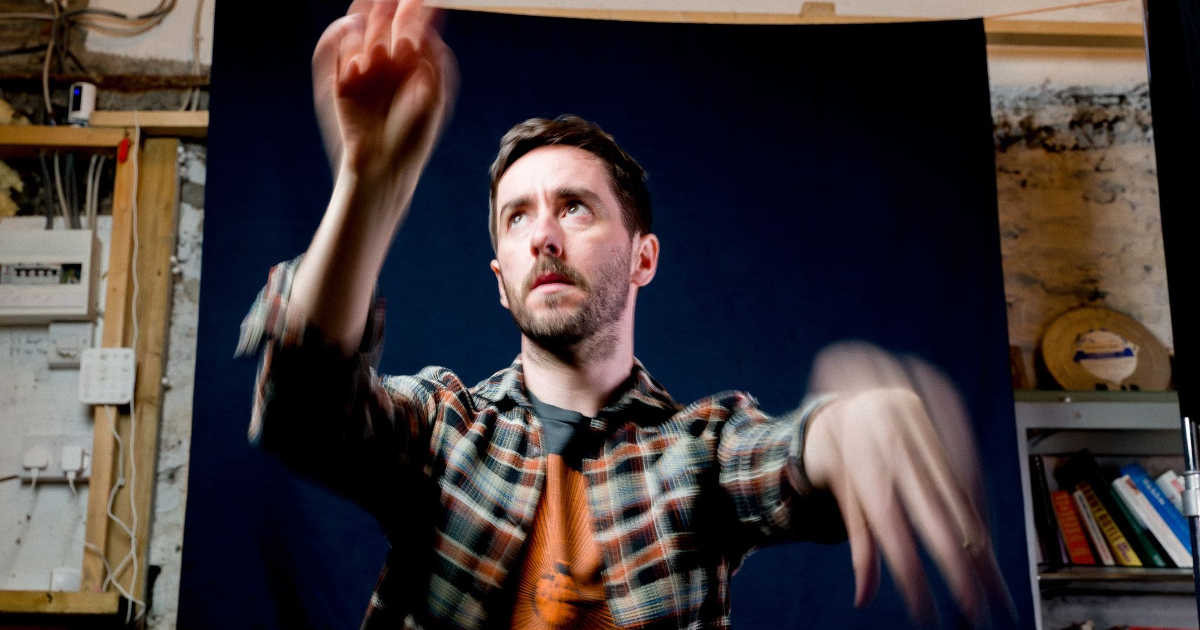
Photo Design: theBeat.ie