The Rolling Stones Foreign Tongues
: Blues-Rock, Elon Musk and a Commentary on Modern America
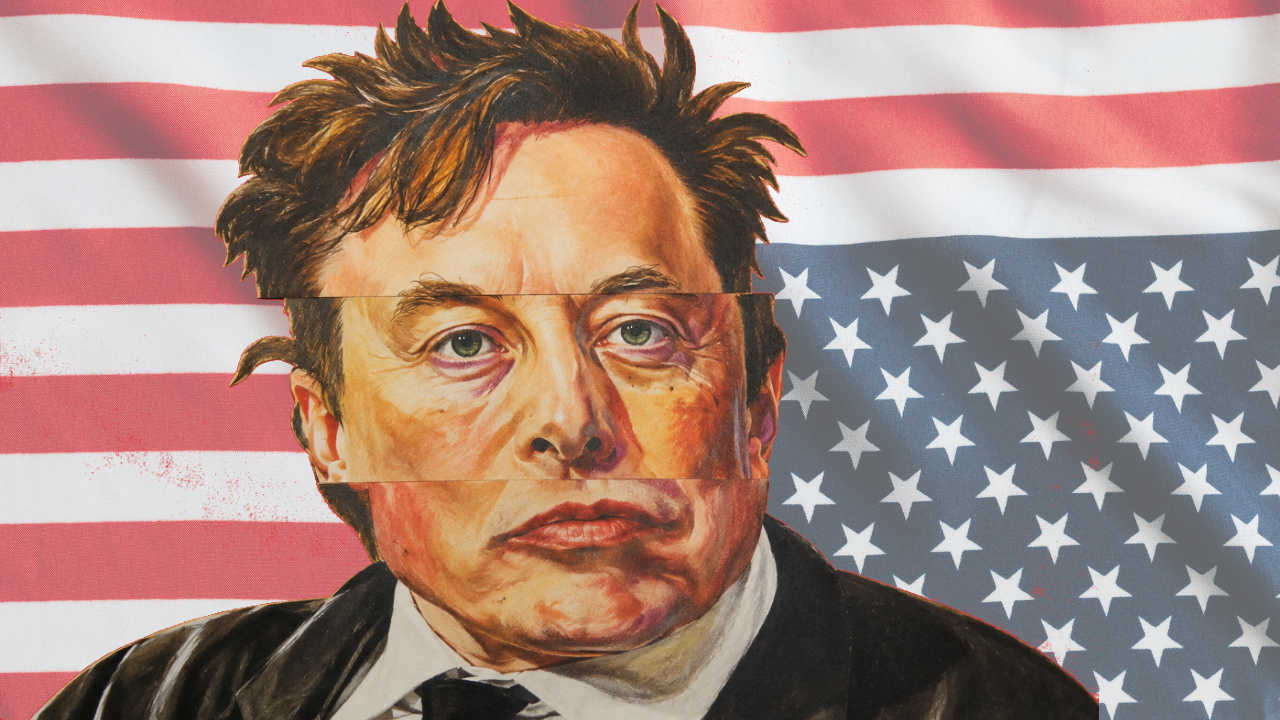
Mr. Charm)
Mick Jagger and Keith Richards prove they still have plenty to say as Foreign Tongues
takes aim at billionaire culture and the changing American Dream
. After releasing 25 studio albums across a career spanning more than six decades, most bands would be forgiven for easing into retirement. The Rolling Stones, however, have never been interested in standing still.
Instead, Foreign Tongues shows there's still plenty of life - and plenty of fire - left in the world's greatest rock 'n' roll band. It's an album packed with swaggering blues-rock, infectious hooks and the unmistakable chemistry between Mick Jagger and Keith Richards. But beneath the guitars and grooves lies something more thought-provoking.
Rather than simply revisiting past glories, Foreign Tongues
looks squarely at the modern world. Throughout the album, Jagger appears to channel his frustrations into songs exploring geopolitical uncertainty, billionaire culture and what he sees as the gradual decline of Western society. And on one track in particular, the Stones make what many listeners will see as one of their boldest lyrical statements in years.
Mr. Charm
takes a swipe at Elon Musk
One of the album's biggest talking points is Mr. Charm.
For decades, Jagger and Richards have perfected the art of hiding real people behind fictional characters. Songs like Ruby Tuesday
and Lady Jane
have long encouraged fans to speculate about the real-life inspirations behind them, while tracks such as Sympathy for the Devil
referenced historical and biblical figures without directly targeting contemporary public personalities.
That's what makes Mr. Charm
stand out.
On the surface, it's an upbeat, bluesy anthem about a charismatic gigolo or smooth-talker. Listen a little closer, though, and the lyrics can be read as a sharp piece of social commentary. Jagger appears to use the character as a vehicle for questioning the growing influence of billionaire entrepreneurs and modern tech culture, with Elon Musk emerging as the clearest point of reference.
The song's most talked-about lyric leaves little room for interpretation about who inspired it:
And who would take you into space?
Who would you really trust?
Is it Boeing, is it NASA, is it Mad Mogul Mr. Musk?
It's one of the rare occasions where the Stones reference a contemporary public figure so directly, and it's likely to divide opinion.
Some listeners will hear it as satire. Others will see it as a criticism of billionaire influence on modern society. Either way, it's a reminder that the Stones remain as willing to provoke conversation today as they were in the 1960s.
A complicated love letter to America
While Mr. Charm
may be grabbing the headlines, it's far from the only song addressing the current political and cultural climate. The reflective Ringing Hollow
continues many of the same themes, but from a more emotional perspective.
The Rolling Stones have always shared a deep connection with the United States. American blues music provided the soundtrack to their youth and became the foundation upon which they built one of rock's greatest careers. In many ways, Ringing Hollow
feels like a love letter to the country that inspired them.
But it's also tinged with disappointment.
That feeling reflects comments both Mick Jagger and Keith Richards have made in recent interviews. Speaking to The Sunday Times, Richards described America as a bit of a disappointment at the moment,
while Jagger told MOJO magazine that America is not the same place as it was.
Those sentiments echo throughout the song.
Jagger paints an image of a country that has lost some of its confidence, singing:
Lady Liberty don't look so good
When there's a tear in her gown.
Later, he revisits the image with the equally poignant line:
Lady Liberty is wearing a frown.
The symbolism is hard to miss. Rather than criticising everyday Americans, the lyrics seem to mourn what the band views as the slow fading of an idealised America that once inspired musicians across the world.
Looking beyond America's borders
The album's social commentary doesn't stop with the United States.
Covered in You,
featuring Paul McCartney, blends the story of a fractured relationship with broader reflections on political corruption and international conflict.
Jagger sings of being:
Sick and tired of all these autocrats
before continuing with:
They breed like a swarm of dirty rats with their missiles on parade and they're wreathed in gold brocade.
Unlike Mr. Charm
or Ringing Hollow,
this track broadens its focus to global politics, suggesting that the concerns explored on Foreign Tongues
extend far beyond America alone.
The Stones are still writing songs that matter
The Rolling Stones have never been known primarily as a political band. Their reputation was built on blues, rock 'n' roll and timeless songwriting rather than overt political statements.
Even so, they've never ignored the world around them.
From Street Fighting Man
to Gimme Shelter
and Sympathy for the Devil,
the band has often reflected periods of social unrest, conflict and cultural change. Foreign Tongues
continues that tradition by examining the anxieties of the modern era through the lens of classic Rolling Stones songwriting.
Whether listeners agree with the album's perspective or not is another matter entirely.
What seems clear is that Jagger uses figures such as Elon Musk less as personal targets and more as symbols of broader themes surrounding wealth, influence, technology and shifting political power. Likewise, the songs about America are less an attack on the country itself than a reflection on what the band appears to see as the gradual erosion of the American Dream
.
Final Verdict
At a stage in their career when most bands would be content to rely on nostalgia, The Rolling Stones have delivered an album that invites discussion as much as it entertains.
Foreign Tongues
is full of the swagger, blues and attitude fans expect, but it also offers one of the band's sharpest collections of social observations in years. Whether it's questioning billionaire culture in Mr. Charm
, reflecting on America's changing identity in Ringing Hollow,
or condemning global authoritarianism in Covered in You,
the album proves that Mick Jagger and Keith Richards still have plenty to say.
You don't have to agree with every lyric or every interpretation to appreciate what the Stones have achieved here. More than sixty years after they first changed rock music forever, they're still writing songs that spark debate - and that's exactly what great rock 'n' roll has always done.