How a London Shop Sparked a Punk Revolution | Never Mind the Bollocks
Rockapedia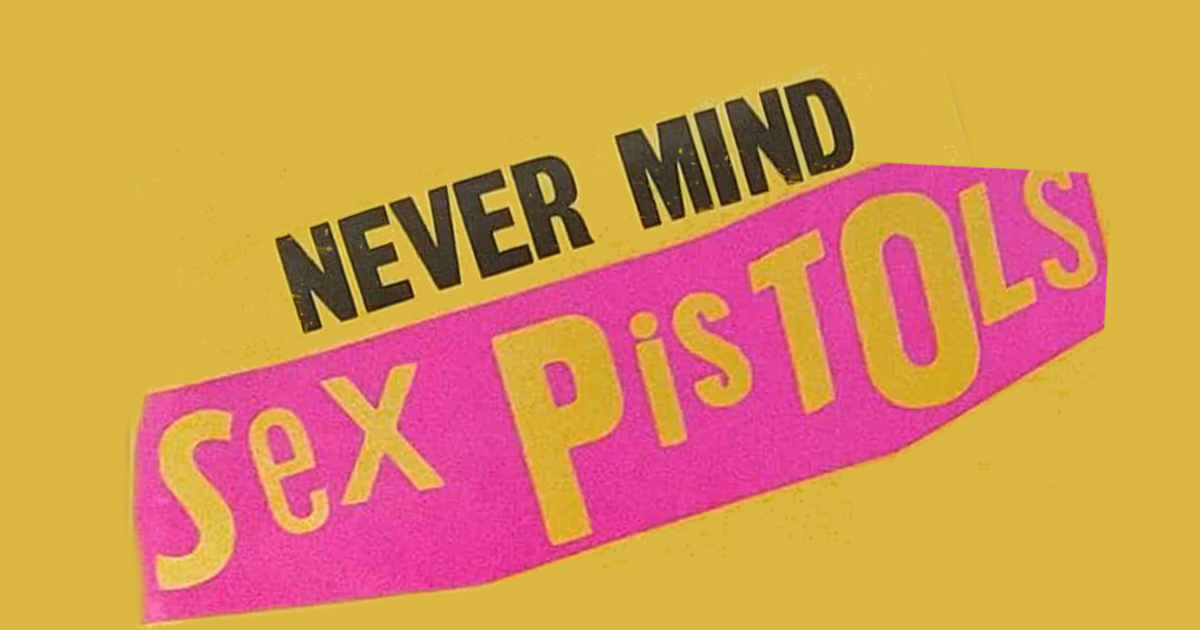 theBeat.ie
Back in 1977 the music world was in serious need of a shake-up. Enter Never Mind the Bollocks, Heres The Sex Pistols, an album that didn’t just shake things up; it blew the whole thing apart. Loud, crude, political, and unapologetic, it became one of the most influential albums in rock history.
In the early ’70s, Malcolm McLaren and Vivienne Westwood ran a boutique on King’s Road in Chelsea called Sex
, a place full of leather, latex, and rebellion. It wasn’t just a store; it was a hangout for kids looking to escape. McLaren wanted to capture the raw energy of these kids and wanted to tear down everything bloated and boring about rock at the time.
He started by recruiting guitarist Steve Jones and drummer Paul Cook, who were already playing together in a small band called The Strand. Glen Matlock, who worked at the shop, joined on bass, and brought actual songwriting chops to the group. The final piece was found when McLaren auditioned John Lydon, whose sneer, attitude, and piercing voice made him the perfect frontman. The The Sex Pistols were born.
The Pistols quickly became infamous in London’s underground scene. Their gigs were wild, confrontational, and unpredictable. Their notoriety caught the attention of major labels, and in 1976, they signed with EMI. After a now-legendary, profanity-filled TV interview on The Today Show with Bill Grundy, the band became public enemy number one. The tabloids went nuts, politicians fumed, and EMI dropped them like a hot potato.
McLaren managed to land a deal with A&M Records next, but that lasted only a week, after the band trashed the label’s offices. Finally, Richard Bransons Virgin Records took a chance on them. The result would be Never Mind the Bollocks, Here’s the Sex Pistols.
Recording the album was anything but smooth. Most of the songs were written by Rotten and Matlock before Matlock was pushed out because of musical differences
. His replacement, Sid Vicious, looked the part but couldn’t actually play. Guitarist Steve Jones ended up recording most of the bass parts himself, layering guitars to create that dense, wall-of-sound aggression that defined the album.
Lyrically, Rotten ripped into everything sacred, politics (Anarchy in the U.K.
), the monarchy (God Save the Queen
), consumer culture (Pretty Vacant
), and the record industry itself (E.M.I.
). It was angry, sneering, and completely real, exactly how young people in 1970s Britain felt.
When the album dropped on October 28, 1977, all hell broke loose. Some stores refused to sell it while a number of radio stations banned it. Even the title caused a court case over the word bollocks
, which Virgin Records eventually won after proving it wasn’t actually obscene.
Critics were split: some called it noise, others called it genius. The public? They bought it in droves. The album shot to No. 1 on the UK charts.
More than anything, the Sex Pistols proved that attitude could matter more than technical skill. They made music feel dangerous again, and in doing so, inspired countless bands, from The Clash and Buzzcocks to Nirvana and Green Day. Beyond the sound, the spirit of Never Mind the Bollocks gave a voice to an entire generation that felt ignored.
Nearly fifty years later, it’s not just a record; it’s a revolution captured on vinyl.