Conor Furlong Goes Big and Atmospheric on New Album - Descent
Known for a strong DIY work ethic and a seemingly endless appetite for making music, Conor Furlong has quietly carved out his own corner of Ireland’s alternative rock scene.
The Dublin-based singer-songwriter, multi-instrumentalist and producer has built a sizeable catalogue around lush, atmospheric instrumentation, dreamy synth-heavy textures and heartfelt songwriting, all while maintaining the independent approach that has become central to his music.
Having learned his craft playing the Dublin gigging circuit, including shows at the likes of Whelan’s and the Temple Bar Music Centre, Furlong eventually shifted his focus towards the studio. Since then, he’s released a steady stream of singles and EPs, as well as 2019-2023
, a whopping 22-track compilation that serves as a handy introduction to his modern DIY era.
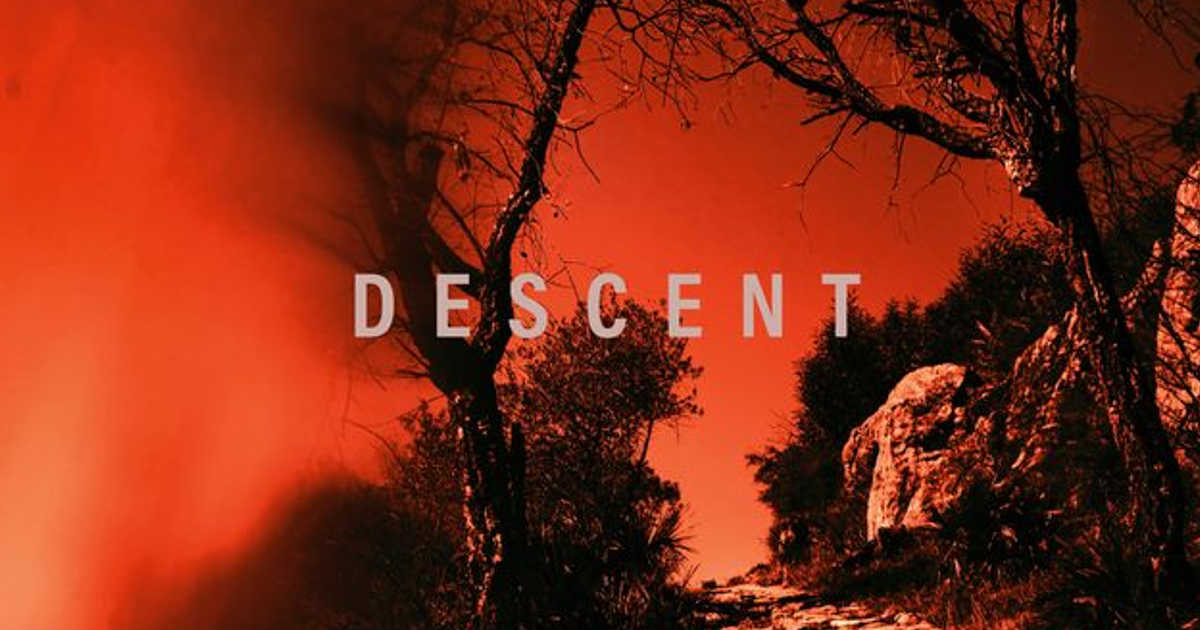
Now he’s back with Descent, an ambitious and atmospheric album with one particularly noticeable quality running through it: this thing sounds big.
A Cinematic Start
Furlong wastes very little time setting out his stall.
Opening instrumental The Descent of Man
arrives as a progressive wall of sound, giving the album an almost cinematic opening before ‘Killer’ comes crashing through the door with aggressive guitar riffs and a distinctly ’90s alternative-rock feel.
Derranged Monster
pushes further into shoegaze territory, piling fuzzy guitars on top of each other and creating the kind of dense, hazy sound that feels tailor-made for being played loudly.
Then comes one of the album’s highlights.
You Won’t Break Me
begins as a slow burner, with melancholic vocals sitting alongside delicate guitar lines. It doesn’t stay restrained for long, though. The track gradually expands until it becomes a huge shoegaze-inspired anthem, showing Furlong’s knack for turning something intimate into something considerably more epic.
Shoegaze, Synths and a Touch of the ’80s
There’s plenty of variety on Descent, but Furlong manages to keep that expansive atmosphere intact throughout.
The Life We Lost
is a more melodic and restrained affair, layering synths into another wide-screen arrangement, while How Do You Sleep
changes things up with an unexpected splash of ’80s pop.
It’s a welcome detour and another indication that Furlong isn’t particularly interested in keeping Descent inside one tidy genre box.
The album’s quieter moments work well too.
I’m Not The One You Love
and Everything That Never Was
lean towards a melancholic acoustic-rock sound, giving the record some breathing room between its bigger moments. I Wish
, meanwhile, opens quietly and atmospherically, with Furlong adopting a hushed vocal delivery that adds to the song’s sense of isolation.
Those shifts in pace are important. Without them, the album’s fondness for huge arrangements could easily become overwhelming. Instead, the quieter tracks make the louder moments hit that bit harder.
Things Get Weird on Descent
Just when you think you’ve figured out where the record is heading, closing track Descent
throws another curveball.
The title track heads into considerably more experimental territory, combining strange sounds with sampled speech while dispensing with percussion altogether.
It’s an odd, slightly unsettling way to finish the record - and that’s probably why it works.
Rather than wrapping everything up with an obvious big rock finale, Furlong leaves the listener somewhere altogether stranger. For an album that spends much of its running time jumping between genres and textures, it feels like an appropriately unpredictable ending.
Final Verdict
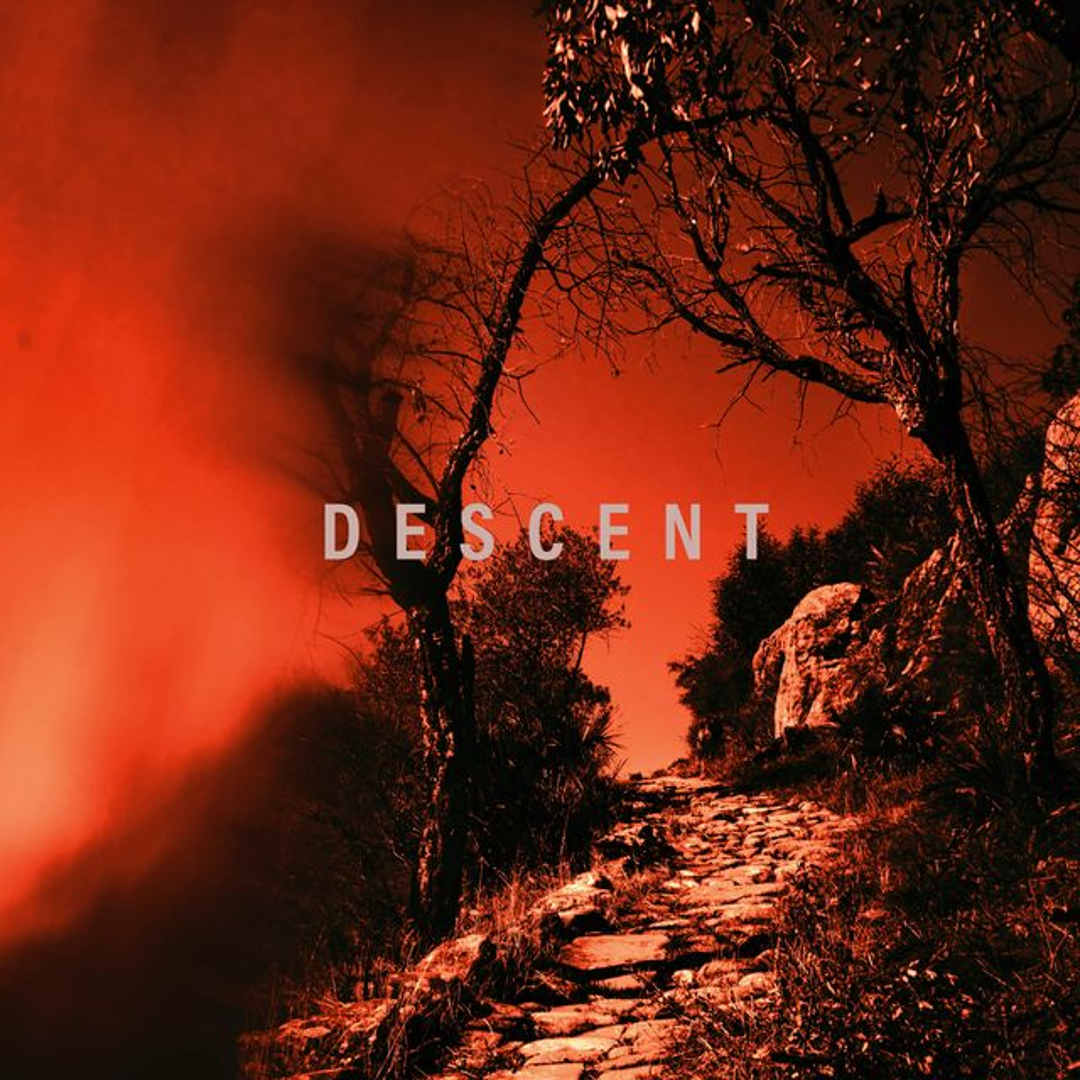
Descent is an ambitious, big-sounding record from an artist who clearly enjoys seeing how far he can stretch his DIY approach.
Across the album, Conor Furlong moves between shoegaze, alternative rock, synth-driven atmospherics, acoustic melancholy and outright experimentation without losing the sense of scale that ties the whole thing together.
It’s hazy, melancholic, occasionally strange and frequently massive – another intriguing chapter in Conor Furlong’s ever-expanding catalogue.
The album, Descent, is available through all streaming platforms.
Photo Credit: Conor Furlong