Horslips Biography: The Irish Rock Band That Changed Irish Music
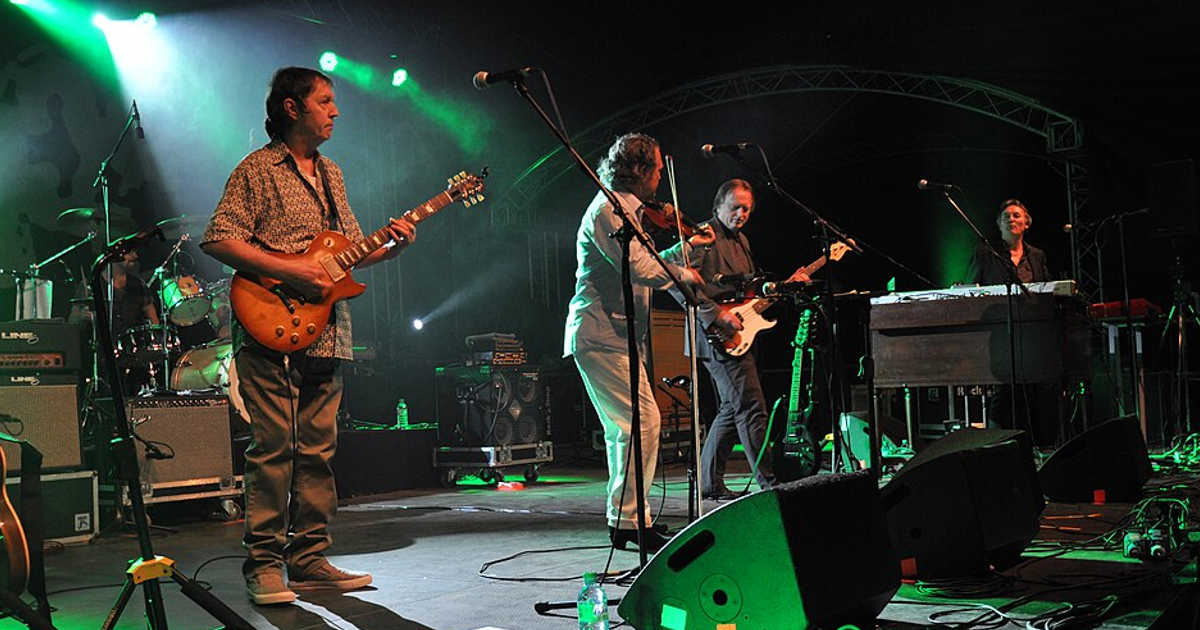
Formation
Horslips came together in Dublin in 1970, when Barry Devlin, Eamon Carr, Charles O'Connor, Jim Lockhart and guitarist Declan Sinnott decided to try something a little different. All five had an interest in traditional Irish music, but they were also big fans of rock. Rather than choosing one over the other, they mixed the two together, creating a sound that was unlike anything else coming out of Ireland at the time.
Fonn
Horslips first came to wider public attention through an appearance on the RTÉ television programme Fonn, which introduced viewers to their unusual mix of traditional Irish tunes and electric rock music. With their long hair, colourful clothes and lively performances, they certainly stood out from the crowd. It was an early taste of what the band had to offer, and people were beginning to take notice.
Johnny's Wedding
In 1972, Horslips released their debut single, Johnny's Wedding
, on their own Oats record label. The song was a lively mix of Irish folk music and rock, giving listeners a good idea of where the band were heading. Setting up their own label was a bold move too, allowing Horslips to keep control of their music rather than relying on a major record company.
Johnny Fean Joins Horslips
Not long after the release of Johnny's Wedding
, guitarist Declan Sinnott left Horslips and was replaced by Johnny Fean, who would become a major part of the band's sound. Fean brought a powerful electric guitar style that fitted perfectly with their traditional Irish influences. His arrival helped give Horslips a harder rock edge, and the classic line-up was now in place for their breakthrough years.
Dearg Doom and The Táin
Horslips released their debut album, Happy to Meet – Sorry to Part
, in 1972, bringing their blend of Irish traditional music and rock to a wider audience. They followed it in 1973 with The Táin
, a concept album inspired by the ancient Irish legend of the Táin Bó Cúailnge. It featured the powerful Dearg Doom
, with its unforgettable guitar riff, which would become one of the band's best-known songs.
America
By 1974, Horslips were attracting attention beyond Ireland, particularly in North America, where their unusual Celtic rock sound was finding new listeners. Their third studio album, Dancehall Sweethearts
, pushed further into rock territory while keeping plenty of traditional Irish influences. The band toured extensively, building a reputation as an exciting live act and proving that Irish music could appeal to audiences well beyond home.
Later Years
As the 1970s went on, Horslips continued to develop their sound, moving towards a more straightforward rock style without completely leaving their Irish roots behind. Albums such as The Book of Invasions
in 1976 showed just how ambitious they had become. Based on Irish mythology, it produced favourites including Trouble (With a Capital T)
and helped cement their reputation as one of Ireland's leading rock bands.
Their success continued with Aliens
in 1977, which explored the experiences of Irish emigrants, followed by The Man Who Built America
in 1978 and Short Stories/Tall Tales
in 1979. By the end of the decade, Horslips had built up a loyal following at home and abroad. However, after years of recording and touring, the band decided to call it a day in 1980, leaving behind an impressive collection of music.
The Singles
Horslips released some cracking singles during their career, although their reputation was built just as much on their albums and live performances. Dearg Doom
remains their signature track, while Trouble (With a Capital T)
, The Man Who Built America
, King of the Fairies
and Johnny's Wedding
are among their best-loved recordings. Their songs combined catchy melodies, driving guitars and traditional Irish influences in a way few other bands could match.
The Albums
Horslips were particularly strong when it came to albums, releasing ten studio records between 1972 and 1979. Their early releases, including Happy to Meet – Sorry to Part
, The Táin
and Dancehall Sweethearts
, established their Celtic rock sound. They followed these with The Unfortunate Cup of Tea
in 1975 and Drive the Cold Winter Away
, a largely acoustic collection of traditional music that showed another side of the band.
Their later albums became more ambitious, with The Book of Invasions
often regarded as one of their finest achievements. Aliens
and The Man Who Built America
took the music in a more rock-oriented direction, while Short Stories/Tall Tales
marked the end of their original run of studio releases. Over the years, live albums and compilations have helped introduce their music to new generations of fans.
Final Verdict
Horslips deserve their place among the most influential bands in Irish rock history. At a time when traditional Irish music and rock were often treated as separate worlds, they showed just how well the two could work together. Their influence can be heard in later Irish acts who mixed folk and rock, while songs like Dearg Doom
still sound fantastic today. More than fifty years on, Horslips remain true pioneers of Celtic rock.
READ MORE | The Beat Irish Music Right Now
Photo Credit: Rs-foto / Wikimedia Commons / CC BY-SA 4.0.