Rory Gallagher: The Irish Guitar Legend Who Chose His Fans Over Rock Immortality
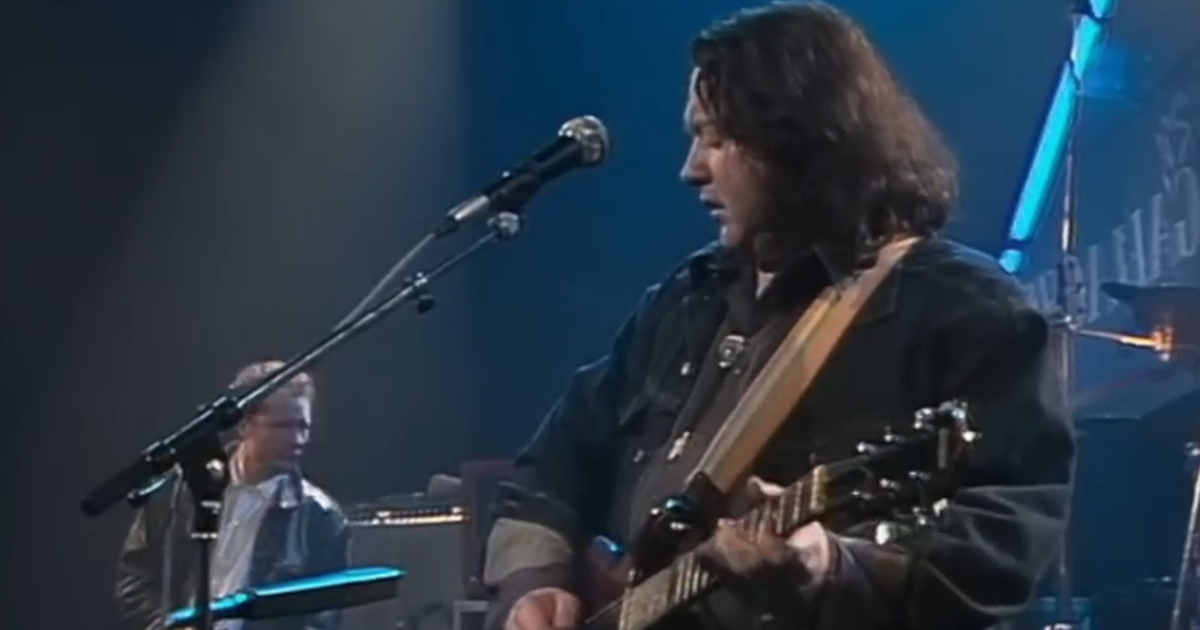
Irish guitar legend Rory Gallagher was the kind of musician other guitarists spoke about with genuine admiration. Armed with a battered Stratocaster and an endless appetite for the road, he built his reputation the old-fashioned way — one electrifying performance at a time. While many of his contemporaries embraced the trappings of rock stardom, Gallagher remained focused on the music, the fans, and the next gig.
That dedication is exactly why he ended up turning down one of the most prestigious invitations in rock history.
In 1976, The Band staged what would become one of the most celebrated farewell concerts ever recorded. Held at San Francisco's Winterland Ballroom, The Last Waltz wasn't simply a goodbye show. Directed by a young Martin Scorsese and later released as a film in 1978, it became a landmark moment in rock music history.
The lineup was extraordinary. Bob Dylan, Eric Clapton, Joni Mitchell, Van Morrison, Neil Young, Muddy Waters and numerous other musical giants all shared the stage. It was a gathering of rock and blues royalty unlike anything audiences had seen before. Decades later, The Last Waltz is still regarded as one of the greatest concert films ever made.
For most musicians, an invitation to perform at such an event would have been impossible to refuse. Yet Rory Gallagher did exactly that.
According to his longtime bassist Gerry McAvoy, legendary promoter Bill Graham personally contacted Gallagher about appearing at the concert. The invitation carried considerable weight. Both Martin Scorsese and Robbie Robertson were reportedly fans of Gallagher and wanted him included in the historic lineup.
Just imagine the opportunity. Gallagher would have shared the stage with some of the biggest names in music, performing in a concert that would be preserved forever on film. It's the sort of career-defining moment many artists spend a lifetime hoping for.
But Gallagher had other plans.
The reason he declined wasn't complicated. He already had two concerts scheduled in Portland and Seattle. Fans had bought tickets, promoters had booked the venues, and Gallagher had made a commitment. As far as he was concerned, that commitment mattered more than appearing in a film alongside rock's elite.
McAvoy reportedly urged him to reconsider, fully aware of what an appearance in The Last Waltz could mean for Gallagher's career. But Rory refused to cancel the dates. If people had paid to see him perform, then he was going to show up. End of discussion.
There was no dramatic statement attached to the decision and no criticism of the event itself. It was simply a matter of principle. Gallagher believed that if he gave his word, he should keep it.
In many ways, that single decision perfectly captures who Rory Gallagher was.
While some of his peers became larger-than-life celebrities, Gallagher remained a working musician at heart. He spent much of his career touring relentlessly, bringing his fiery blend of blues, rock and Irish soul to audiences night after night. He earned enormous respect from fellow musicians and devoted fans around the world, but he never seemed particularly interested in chasing fame for its own sake.
Of course, music fans can't help wondering what might have happened had he accepted the invitation. It's easy to picture Rory stepping onto the Winterland stage, Stratocaster in hand, unleashing one of his blistering blues performances before a captivated audience. Given his reputation as a live performer, there's every chance he would have delivered one of the night's most memorable moments.
Yet somehow the fact that it never happened feels entirely fitting.
Rory Gallagher didn't build his legacy by pursuing the biggest spotlight. He built it through honesty, hard work and an unwavering commitment to his craft. He chose the road over the red carpet and the fans over the mythology.
That's why his decision to turn down The Last Waltz remains one of rock's great what if
stories. Not because he missed an opportunity, but because he stayed true to the values that made him such a beloved figure in the first place.
In the end, Rory Gallagher didn't need The Last Waltz to cement his place in music history. He was already a legend. The fact that he turned it down may be one of the strongest pieces of evidence.