Sinéad O'Connor Biography: The Life and Music of an Irish Icon
The Early Years
Sinéad O'Connor was born on 8th December 1966 in Glenageary, County Dublin, and grew up around Dublin, including Glenageary and later with her father in the north of the city. Her childhood wasn't exactly an easy one, with her parents separating when she was young. Music became an important part of her life, and it wasn't long before her remarkable voice began attracting attention.
Take My Hand
Sinéad's first big break came when she was just 15, after her singing caught the attention of Paul Byrne, drummer with Irish band In Tua Nua. Byrne recognised her talent and brought her into the studio to record vocals for their song Take My Hand.
Although she was too young to officially join the band, the recording gave her an early taste of the music business.
Ensign Records
After spending time with the Dublin band Ton Ton Macoute, Sinéad headed to London to pursue her music career. Her distinctive voice and songwriting soon attracted the attention of Ensign Records, who signed her in the mid-1980s. Still only a teenager, she was determined to make music on her own terms, even when that meant disagreeing with record executives about how she should sound.
Around the same time, Sinéad got another major opportunity when she recorded Heroine
with U2 guitarist The Edge, who co-wrote the track with her. The song also featured U2 drummer Larry Mullen Jr. and appeared on the soundtrack to the 1986 film Captive. It was an early glimpse of her incredible vocal talent and helped introduce her to a wider audience.
Breakthrough
Sinéad's breakthrough arrived in 1987 with her debut album, The Lion and the Cobra. Featuring tracks like Mandinka,
Troy
and I Want Your (Hands on Me),
the album mixed alternative rock, pop and some seriously powerful vocals. It earned her international attention and a Grammy nomination. With her shaved head, fearless attitude and unmistakable voice, Sinéad was already standing out from the crowd.
Nothing Compares 2 U
Everything changed in 1990 when Sinéad released Nothing Compares 2 U,
a song originally written by Prince. Taken from her second album, I Do Not Want What I Haven't Got
, the single became a worldwide sensation, reaching number one in Ireland, the UK, the US and several other countries. Her emotional performance turned a relatively little-known song into one of the most recognisable ballads of the decade.
The music video was just as memorable as the song itself. Featuring close-up shots of Sinéad singing directly into the camera, it captured every bit of emotion in her performance, including the famous tears rolling down her face. The video became a massive hit on MTV and helped make her an international superstar. More than three decades later, it's still one of music's most unforgettable videos.
Saturday Night Live (SNL)
In October 1992, Sinéad caused one of the biggest controversies in television history during an appearance on Saturday Night Live. After performing Bob Marley's War,
with lyrics adapted to address child abuse, she held up a photograph of Pope John Paul II and tore it into pieces. The protest was aimed at abuse within the Catholic Church, but the reaction was immediate and fierce.
The backlash was enormous, particularly in the United States, where radio stations stopped playing her music and public criticism dominated the headlines. Just weeks later, she was booed during a Bob Dylan tribute concert in New York. Sinéad refused to apologise for her actions, even as her commercial career suffered. In later years, her protest was viewed differently as widespread clerical abuse became publicly documented.
Later Career
Despite the controversy, Sinéad continued making music throughout the 1990s and 2000s, refusing to be boxed into any particular style. Albums such as Universal Mother
, Faith and Courage
and Throw Down Your Arms
showed her willingness to experiment with everything from alternative rock to reggae. She also explored traditional Irish music, proving there was much more to her than one worldwide hit.
Her later years were marked by personal struggles, public appearances and a continued connection with music. In 2018, she converted to Islam and adopted the name Shuhada' Sadaqat, although she continued to release and perform music under the name Sinéad O'Connor. Her final studio album, I'm Not Bossy, I'm the Boss
, arrived in 2014. Sinéad died in London on 26th July 2023, aged 56.
The Songs
While Nothing Compares 2 U
remains her best-known song, Sinéad had plenty of other brilliant tracks throughout her career. Mandinka,
Troy,
The Emperor's New Clothes
and I Want Your (Hands on Me)
are among her most popular recordings. Her version of The Foggy Dew
with The Chieftains is another standout, while Thank You for Hearing Me
showed her more reflective side.
The Album
Sinéad released ten studio albums between 1987 and 2014, each showing a different side of her musical personality. Her first two records, The Lion and the Cobra
and I Do Not Want What I Haven't Got
, remain her most celebrated. Other notable releases include Am I Not Your Girl?
, Universal Mother
, Sean-Nós Nua
, Theology
and How About I Be Me (And You Be You)?
.
Final Verdict
Sinéad O'Connor was never going to be an ordinary pop star, and that's exactly what made her special. She had one of the most distinctive voices Ireland has ever produced, but her influence went far beyond the music. From her early Dublin days to worldwide fame and controversy, she always followed her own path. Her legacy continues to inspire Irish artists who aren't afraid to be different.
READ MORE | 10 Essential Sinead OConnor Songs
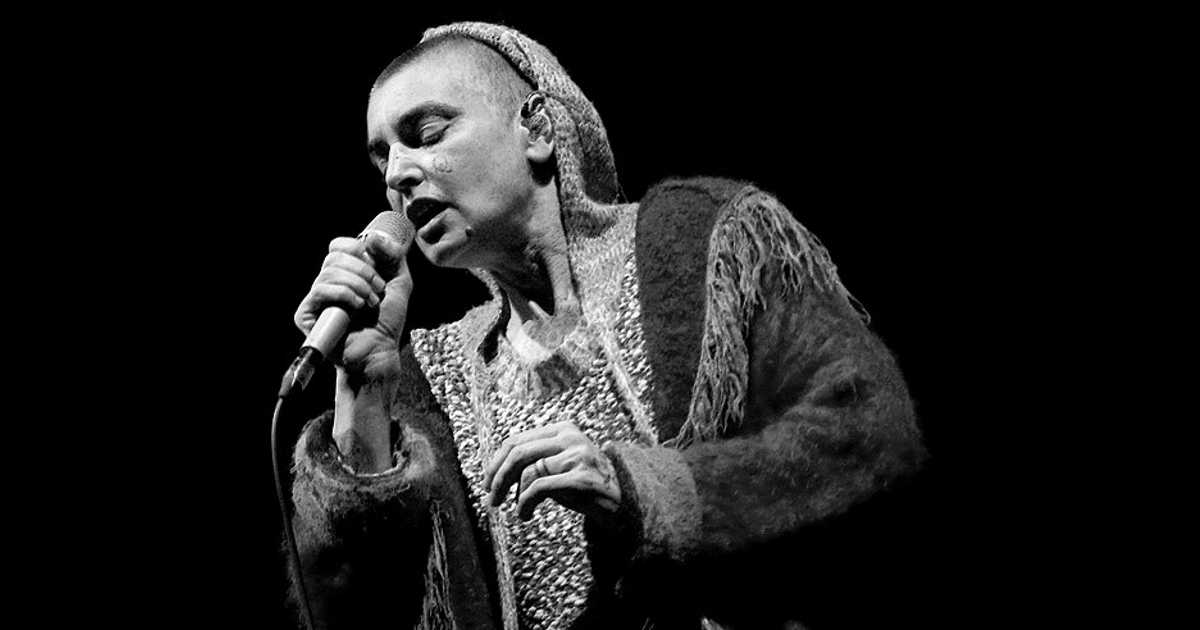
Photo Credit: Photo: Man Alive! / Wikimedia Commons / CC BY 2.0