10 Bands That Sound Like U2 Every Fan Should Listen To
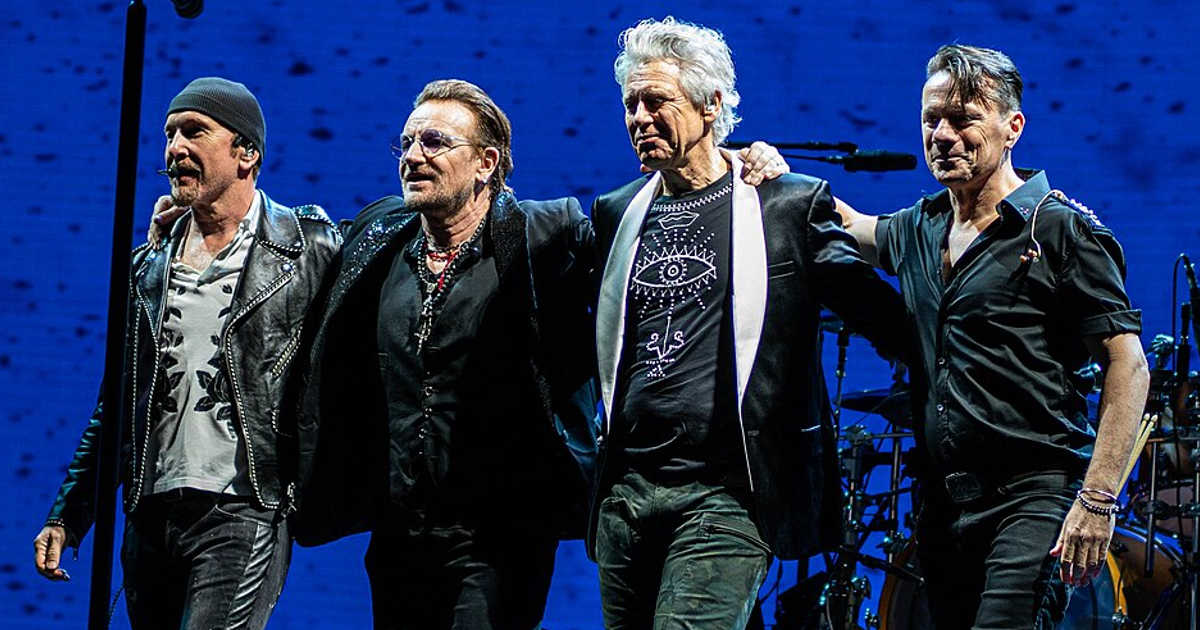
Few bands have created a sound as instantly recognisable as U2. From The Edge's shimmering, delay-soaked guitars and Adam Clayton's driving basslines to Larry Mullen Jr.'s powerful drums and Bono's soaring vocals, the Dublin band have spent decades turning atmospheric rock songs into enormous anthems.
But if you've already worked your way through Boy
, War
, The Unforgettable Fire
, The Joshua Tree
, Achtung Baby
and the rest of the U2 catalogue, where do you go next?
The good news is that U2 aren't the only band capable of delivering chiming guitars, atmospheric production, emotional vocals and choruses built for arenas. Some of the artists below emerged alongside U2 during the post-punk explosion of the late 1970s and early 1980s, while others belong to younger generations clearly inspired by the kind of widescreen rock U2 helped make famous.
If you're looking for bands that sound like U2, here are ten artists every fan should have on their playlist.
1. Simple Minds
If there's one band guaranteed to come up in any conversation about artists similar to U2, it's Simple Minds. The Glasgow band travelled a remarkably similar road during the 1980s, developing from experimental post-punk into creators of huge, atmospheric rock songs capable of filling stadiums. Jim Kerr's commanding vocals, Charlie Burchill's spacious guitar playing and the band's love of dramatic keyboards give songs such as Alive and Kicking
, Waterfront
and Don't You (Forget About Me)
that unmistakable widescreen quality. The similarities aren't entirely one-way, either: U2 and Simple Minds admired and influenced one another during their rise, with Bono later acknowledging the importance of Simple Minds' New Gold Dream to U2's own musical development. For fans of The Unforgettable Fire
and The Joshua Tree
, Simple Minds are essential listening.
2. Coldplay
Coldplay don't exactly sound like U2 all the time, but when they go big, the connection is difficult to miss. Chris Martin and company share U2's instinct for transforming relatively simple melodies into enormous emotional moments, combining atmospheric guitars, piano and gradually building arrangements with choruses designed to be sung by tens of thousands of people. Tracks like Clocks
, Fix You
, Politik
and Every Teardrop Is a Waterfall
capture some of that same mixture of intimacy and stadium-sized ambition. Guitarist Jonny Buckland also knows the value of space, texture and repetition in a way that will feel immediately familiar to admirers of The Edge. If you love the uplifting, anthemic side of U2, Coldplay are an obvious next stop.
3. The Alarm
The Alarm were frequently compared with U2 during the 1980s, and it's easy to understand why. Emerging from Wales with a fiery combination of punk energy, ringing guitars, politically conscious lyrics and massive choruses, the band occupied similar territory to the U2 of War and The Unforgettable Fire. Mike Peters delivers his songs with the same kind of passionate conviction that made the young Bono such a magnetic frontman, while tracks including 68 Guns
, The Stand
and Spirit of '76
have a stirring, fists-in-the-air quality. The Alarm have plenty of their own personality, particularly their folk and punk influences, but anyone who loves early U2 should find plenty to enjoy here.
4. Big Country
Few bands captured the grand, windswept sound of 1980s guitar rock quite like Big Country. Led by the late Stuart Adamson, the Scottish group developed a distinctive guitar style that could famously evoke the sound of bagpipes without actually relying on them. Beneath that immediately recognisable feature was a band capable of producing passionate, emotionally charged rock with driving rhythms and huge melodies. Songs such as In a Big Country
, Fields of Fire
and Chance
share the sense of urgency and open space heard on early U2 records. Along with Simple Minds, The Alarm and U2, Big Country became associated with the larger-than-life strain of 1980s alternative rock sometimes described as The Big Music
. If New Year's Day
and Sunday Bloody Sunday
are among your favourite U2 tracks, start here.
5. Echo & the Bunnymen
For listeners who prefer U2's darker post-punk beginnings, Echo & the Bunnymen are essential. Emerging from Liverpool around the same period that U2 were finding their feet in Dublin, the Bunnymen combined brooding basslines, atmospheric guitars and Ian McCulloch's dramatic vocals to create some of the most distinctive alternative music of the 1980s. Songs such as The Killing Moon
, Rescue
and Lips Like Sugar
are moodier and often more psychedelic than U2, but there's a similar fascination with atmosphere and guitar texture. Fans of Boy
, October
and the darker corners of The Unforgettable Fire
should feel particularly at home.
6. The Killers
The Killers may have arrived more than two decades after U2 formed, but Brandon Flowers and company clearly understand the power of the enormous rock anthem. Their music mixes new wave, indie rock, Americana and synth-pop, yet songs like Read My Mind
, All These Things That I've Done
and When You Were Young
possess the same sense of scale that has defined so much of U2's career. Flowers has the charisma required to command huge venues, while the band's combination of emotional lyrics, ringing guitars and explosive choruses frequently ventures into classic U2 territory. Fans of U2's more polished stadium-rock years will find plenty to love in The Killers.
7. Inhaler
There is one fairly obvious reason why Inhaler occasionally remind listeners of U2: frontman Elijah Hewson is Bono's son. But reducing the Dublin quartet to that family connection would be unfair. Inhaler have developed their own energetic blend of indie rock, alternative pop and 1980s-inspired guitar music, drawing on a much broader range of influences. Still, there are moments when Hewson's vocal tone and phrasing make the family resemblance impossible to ignore. Add shimmering guitars, propulsive basslines and ambitious choruses and U2 fans are likely to hear plenty that feels familiar. Songs such as My Honest Face
and It Won't Always Be Like This
are great starting points for anyone curious about a younger generation of Dublin guitar music.
8. Midnight Oil
Australian rock legends Midnight Oil share more with U2 than simply being successful bands from the same era. Both built reputations around passionate live performances, politically engaged songwriting and the belief that rock music could tackle serious subjects without sacrificing a memorable chorus. Peter Garrett is a very different vocalist and frontman from Bono, but he brings a similarly intense sense of commitment to songs including Beds Are Burning
, The Dead Heart
and Blue Sky Mine
. Musically, Midnight Oil can be tougher and more direct than U2, but fans of War and tracks such as Sunday Bloody Sunday
should appreciate their combination of social conscience, muscular rhythms and anthemic rock.
9. Arcade Fire
Arcade Fire don't immediately sound like U2 in the traditional sense, but the two bands share an instinct for creating music on a grand emotional scale. The Canadian group combine indie rock with strings, keyboards, percussion and layers of instrumentation, building songs that often begin intimately before exploding into huge communal choruses. Tracks such as Wake Up
, Keep the Car Running
and Rebellion (Lies)
have the kind of emotional lift that U2 fans will instantly recognise. There's also a similar willingness to think beyond conventional guitar-band arrangements and use the studio as part of the creative process. If it's the atmosphere and ambition of U2 that appeals to you rather than simply The Edge's guitar sound, Arcade Fire are well worth exploring.
10. Snow Patrol
Snow Patrol are perhaps one of the easiest recommendations for anyone searching for modern bands that sound like U2. The Northern Irish and Scottish group specialise in emotional alternative rock built around atmospheric guitars, gradually rising dynamics and choruses designed for enormous crowds. Gary Lightbody's vocal style is considerably more understated than Bono's, but songs such as Run
, Open Your Eyes
, Take Back the City
and Chasing Cars
share U2's talent for taking a deeply personal lyric and making it feel universal. At their biggest and most expansive, Snow Patrol tap directly into the emotional, widescreen qualities that have kept U2 filling arenas for decades.
Why Do So Many Bands Sound Like U2?
Part of U2's influence comes from the fact that their signature sound is actually made up of several different ingredients. Their earliest records grew from post-punk, while the mid-1980s brought increasingly atmospheric production and huge, open arrangements. Later albums incorporated alternative rock, electronic music, dance rhythms and pop without completely abandoning the band's identity.
Then there's The Edge. His use of delay, echo, repetition and carefully chosen notes helped redefine what a rock guitarist could do. Instead of filling every available space with riffs and solos, he often created texture and atmosphere, an approach that has echoed through generations of alternative and indie guitar bands.
Add Bono's emotional vocals, the rhythm section's ability to drive a song forward and U2's obsession with the big communal chorus, and you have a musical blueprint that has proved enormously influential.
Looking for More Bands Like U2?
Start with Simple Minds, The Alarm and Big Country if you love the huge sound of 1980s U2. Head towards Echo & the Bunnymen if the band's early post-punk years are more your thing. For listeners who prefer U2's later stadium-sized anthems, Coldplay, The Killers and Snow Patrol should be near the top of the playlist.
And if you want to hear how that sense of ambition has carried into a younger generation, give Inhaler and Arcade Fire a spin.
None of these bands are simply U2 copies - and that's precisely what makes them interesting. They each take some combination of atmosphere, emotion, chiming guitars, political conviction or arena-sized ambition and push it in their own direction.
Turn it up loud enough, though, and U2 fans should feel right at home.
READ MORE | U2 Quiz - How Well Do You Know Ireland's Biggest Rock Band?
Photo Credit: Photo: U2 performing in Sydney, 2019. U2start / Wikimedia Commons. Licensed under CC BY 2.0.