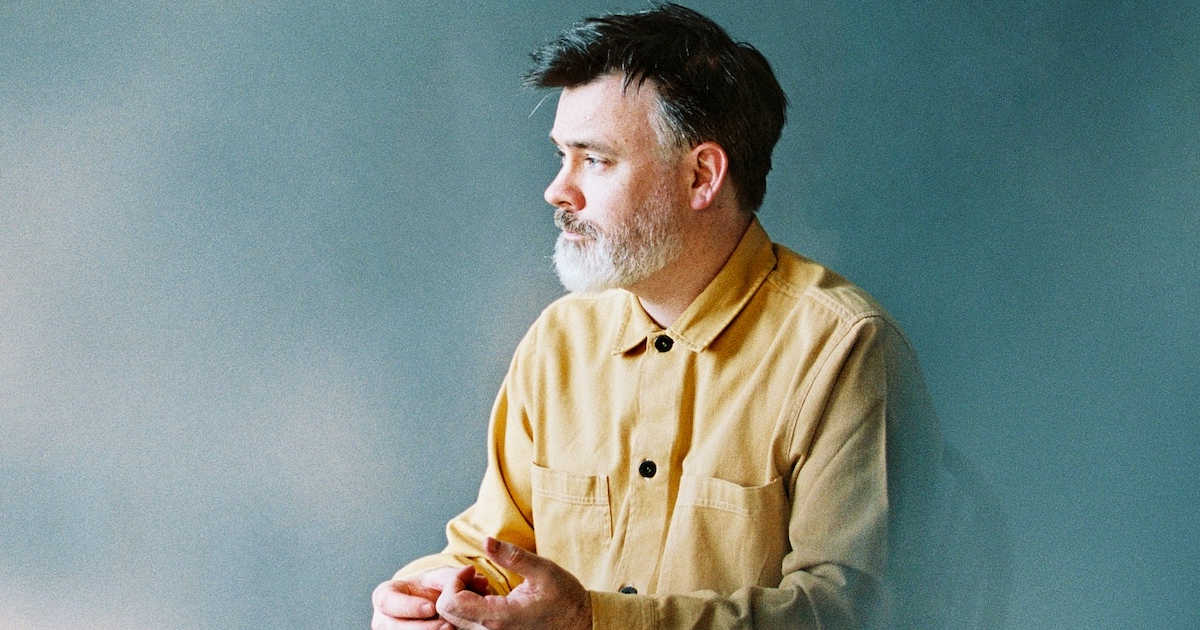
Damien Dempsey Biography: The Voice of Working-Class Dublin
Few Irish singers have captured the spirit of Dublin quite like Damien Dempsey. Known for his powerful voice, honest lyrics and unmistakable Dublin accent, Dempsey has spent decades singing about everyday struggles, Irish identity and the lives of ordinary people. From his early days in Donaghmede to becoming one of Ireland's most respected singer-songwriters, his journey has been anything but ordinary. The Early Years
Growing up in Donaghmede on Dublin's northside, Damien Dempsey was surrounded by the stories and characters that would later inspire his music. One of his first big breaks came when he finished second in a national RTÉ 2FM songwriting competition with Cardboard City
, a ballad about homelessness. It was an early sign of his talent for tackling difficult subjects through music.
Determined to make something of his musical talent, Dempsey enrolled in Ballyfermot College of Further Education's famous Rock School
. The Dublin programme had built a reputation for developing musicians through contemporary music, live performance and songwriting. For Dempsey, it was a chance to sharpen his skills, gain confidence and begin finding his feet in an industry that wasn't always easy to break into.
Early Recording
Dempsey's first proper taste of the recording industry came with the release of his debut EP, The Contender
, through the college's own record label. It was a modest beginning, but an important one. The EP gave him an opportunity to get his songs out there and develop the raw, distinctive sound that would eventually become his trademark.
Things started moving when Dempsey released his debut single, Dublin Town
, which reached No. 18 on the Irish charts. The song offered an unfiltered look at life in the capital, capturing the frustrations and realities of working-class Dublin. Rather than trying to sound like anyone else, Dempsey embraced his accent and background, something that would become central to his music.
They Don't Teach This Shit in School
After spending some time working in an Irish bar in New York, Dempsey returned home and got back to making music. His debut album, They Don't Teach This Shit in School
, arrived in 2000 and introduced listeners to his mix of folk, rock and socially conscious songwriting. It also marked the beginning of his long-running creative partnership with producer John Reynolds.
Negative Vibes and Sinéad O'Connor
A major turning point came when Sinéad O'Connor became an early supporter of Dempsey's music. She contributed vocals to the title track of his Negative Vibes
EP and invited him to support her on tour across Ireland, the UK and Europe. Having an established Irish artist backing him gave Dempsey valuable exposure and helped introduce his songs to a much wider audience.
Breakthrough: Seize the Day and Documentary
Dempsey's breakthrough arrived with his second studio album, Seize the Day
, released in 2003. The record debuted at No. 5 in Ireland and went on to achieve double-platinum status. Around the same period, RTÉ broadcast It's All Good: The Damien Dempsey Story
, a documentary that gave viewers a closer look at the singer, his background and the experiences behind his music.
By 2004, Dempsey was becoming a major name on the Irish music scene. He was the only artist to take home two awards at that year's Meteor Music Awards and landed a support slot with Bob Dylan in Ireland. His growing reputation also caught the attention of Morrissey, whose Attack label signed him for the American release of Seize the Day.
Brian Eno and the Success of Shots
With his reputation growing, Dempsey returned in 2005 with his third studio album, Shots
. The record had the backing of legendary musician and producer Brian Eno, adding another impressive name to his list of supporters. Shots
entered the Irish album charts at No. 1 and achieved platinum status, proving that Dempsey's distinctive brand of Irish songwriting had serious staying power.
To Hell or Barbados and The Rocky Road
Dempsey's career continued to gather momentum when he toured with country music legend Willie Nelson. In 2007, he released To Hell or Barbados
, an album that reached No. 2 in Ireland and explored themes of history, hardship and identity. He followed it in 2008 with The Rocky Road
, a collection of traditional songs that highlighted his love of Irish folk music and its storytelling traditions.
Later Years
As the years went on, Dempsey continued recording and performing, building on the loyal following he had earned throughout Ireland. Albums such as Almighty Love
(2012), No Force on Earth
(2015) and Soulsun
(2017) showed that he still had plenty to say. His songs continued to explore social issues, personal struggles and Irish history without losing the honesty that made his earlier work so popular.
Dempsey also became known for his passionate live performances, particularly his annual Christmas concerts in Dublin, which developed into something of a tradition for fans. He returned with Union
in 2018, revisiting songs with a range of guest artists, before releasing Hold Your Joy
in 2024. Decades into his career, he remained a familiar and much-loved presence on the Irish music scene.
Final Verdict
Damien Dempsey has never been the kind of singer to chase trends or polish away his Dublin roots. His music brings together Irish folk, rock, reggae and traditional influences, with lyrics that tackle everything from homelessness and addiction to hope, resilience and community. His influence can be heard in the wider appreciation for authentic Irish voices and storytelling. Above all, Dempsey has shown that you don't need to change who you are to make an impact in Irish music.
READ MORE | The Best Irish Music Right Now