Gary Moore Biography: The Irish Guitar Legend Who Made the Blues Rock
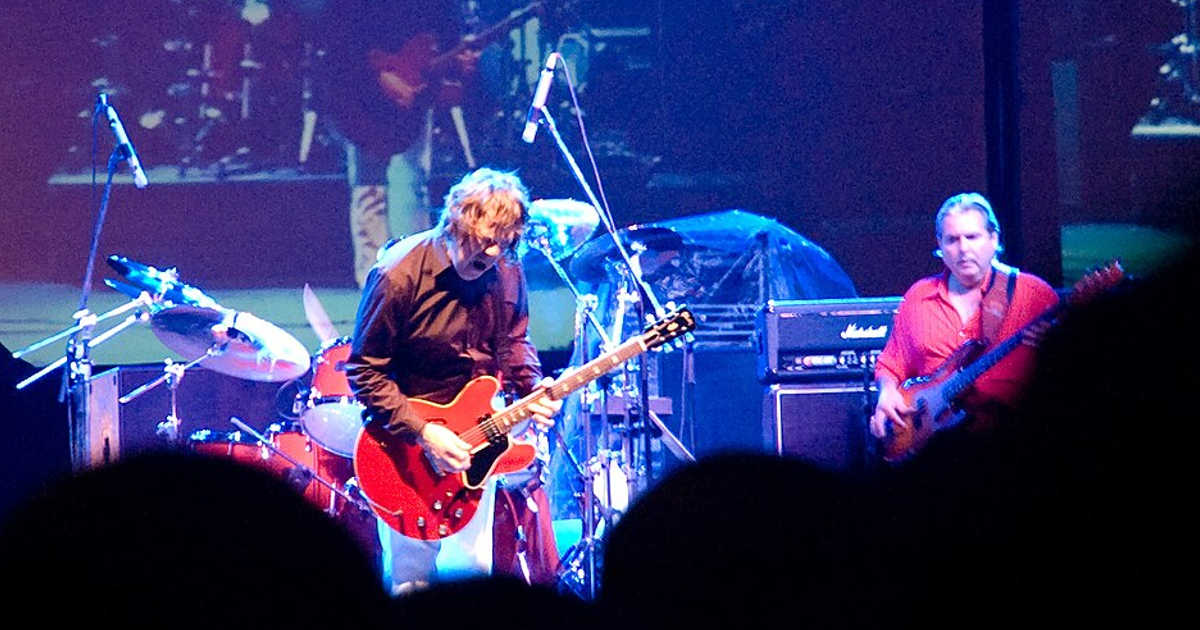
Gary Moore was one of Ireland's greatest guitarists, a musician who could switch from hard rock to the blues without missing a beat. Born in Belfast, he made his name with Skid Row, Thin Lizzy and a hugely successful solo career. With his fiery guitar playing, emotional solos and unmistakable sound, Moore became a favourite among rock and blues fans around the world.
The Early Years
Robert William Gary Moore was born in Belfast on 4th April 1952 and developed an interest in music at an early age. He picked up the guitar as a youngster and formed his first band, The Beat Boys, while still at school. Inspired by blues legends like B.B. King and Albert King, along with Peter Green of Fleetwood Mac, Moore quickly developed a passion for blues guitar that would stay with him throughout his career.
Skid Row
At just 16 years old, Gary Moore left Belfast and moved to Dublin, where he joined bassist and singer Brush Shiels in the Irish rock band Skid Row. The group also featured a young Phil Lynott on vocals during its early days, bringing together two musicians who would cross paths several times over the years. Moore's arrival gave the band a powerful new sound, with his guitar playing quickly becoming a major attraction.
Skid Row built a reputation as one of Ireland's most exciting live bands, mixing blues, rock and a bit of psychedelia into their music. They released their debut album, Skid
, in 1970, followed by 34 Hours
in 1971. Both records showcased Moore's impressive guitar skills, while touring Britain and Europe helped the band reach a wider audience. Although commercial success was limited, Skid Row gave Moore his first real taste of the international music scene.
The Gary Moore Band
Despite Skid Row's growing reputation, Gary Moore eventually decided it was time to move on. By late 1971, he had left the group, keen to explore his own musical ideas and take greater control of his career. His playing had already attracted plenty of attention, but Moore was never someone who liked standing still. Leaving Skid Row was a gamble, although it opened the door to the next chapter of his musical journey.
Following his departure, Moore put together The Gary Moore Band and released Grinding Stone
in 1973. The album was a mixture of blues rock, hard rock and progressive sounds, showing that he was interested in more than just playing flashy guitar solos. Although it wasn't a major commercial hit, Grinding Stone was an important early step in Moore's solo career and gave fans a glimpse of the musician he would become.
Thin Lizzy – First Stint
Gary Moore's first spell with Thin Lizzy came in 1974, when he joined his old Skid Row bandmate Phil Lynott following the departure of guitarist Eric Bell. His time with the band was short, but he made a lasting contribution by playing guitar on the original recording of Still in Love with You
, which appeared on the album Nightlife. The song became one of Thin Lizzy's best-loved tracks, with Moore's emotional guitar work adding something special to an already brilliant song.
Colosseum II
In 1975, Moore joined Colosseum II, a jazz-rock fusion band formed by drummer Jon Hiseman. It was quite a change from the straightforward rock of Thin Lizzy, with the group concentrating on complex arrangements, instrumental passages and technically demanding music. Moore appeared on the albums Strange New Flesh
(1976), Electric Savage
(1977) and War Dance
(1977). The experience helped develop his playing even further, particularly his speed, precision and improvisation.
Thin Lizzy – Second Stint
Gary Moore returned to Thin Lizzy in 1978, this time becoming a more established member of the band. He played on their 1979 album Black Rose: A Rock Legend
, which featured classics like Waiting for an Alibi
, Do Anything You Want To
and the title track. His guitar partnership with Scott Gorham brought a fresh edge to Thin Lizzy's trademark twin-guitar sound. Unfortunately, Moore left again during the band's American tour in 1979, bringing another memorable chapter to an end.
Solo Years
By the early 1980s, Gary Moore was concentrating on his solo career, establishing himself as one of the leading guitarists in hard rock. Albums such as Corridors of Power
(1982), Victims of the Future
(1983), Run for Cover
(1985) and Wild Frontier
(1987) helped build his reputation. His music combined powerful riffs, melodic solos and surprisingly strong vocals, while songs like Out in the Fields
and Over the Hills and Far Away
became firm fan favourites.
In 1990, Moore surprised plenty of people by turning his attention back to the blues with Still Got the Blues
. The album became one of his biggest successes, introducing his music to a whole new audience. He followed it with After Hours
in 1992 and continued exploring the blues throughout much of his later career. Moore also worked with his hero Peter Green's musical legacy on Blues for Greeny
(1995), proving that his love of the blues was never far away.
The Songs
Gary Moore recorded some fantastic songs over the years, but a few stand out as genuine classics. Still Got the Blues
, Parisienne Walkways
and Empty Rooms
showed his ability to make a guitar sound almost like it was singing. On the rockier side, Out in the Fields
, Over the Hills and Far Away
and Wild Frontier
remain hugely popular. His version of The Loner
is another favourite, with its soaring guitar melody showing exactly why Moore was so highly regarded.
The Albums
Gary Moore released an impressive collection of albums during his career, covering everything from hard rock and heavy metal to traditional blues. Early releases like Grinding Stone
and Back on the Streets
laid the foundations, while Corridors of Power
, Run for Cover
and Wild Frontier
established him as a major solo artist. Later albums including Still Got the Blues
, After Hours
, Blues for Greeny
, Close as You Get
and Bad for You Baby
showed his musical range. His final studio album released during his lifetime was Bad for You Baby
in 2008.
Final Verdict
Gary Moore was a rare talent, a guitarist who could play at incredible speed but also knew when to slow things down and let the music breathe. Whether he was playing hard rock with Thin Lizzy or pouring his heart into a blues solo, there was always plenty of feeling in his music. His death on 6th February 2011, aged just 58, was a huge loss to the music world. For Irish rock music, his legacy is enormous, and his influence can still be heard in guitarists today. Few Irish musicians have ever made a guitar sound quite like Gary Moore.
READ MORE | The Best Irish Music Right Now.
Photo Credit: Björn Söderqvist / Wikimedia Commons, licensed under CC BY-SA 2.0..