The Chieftains: The Irish Folk Legends Who Took Traditional Music Worldwid
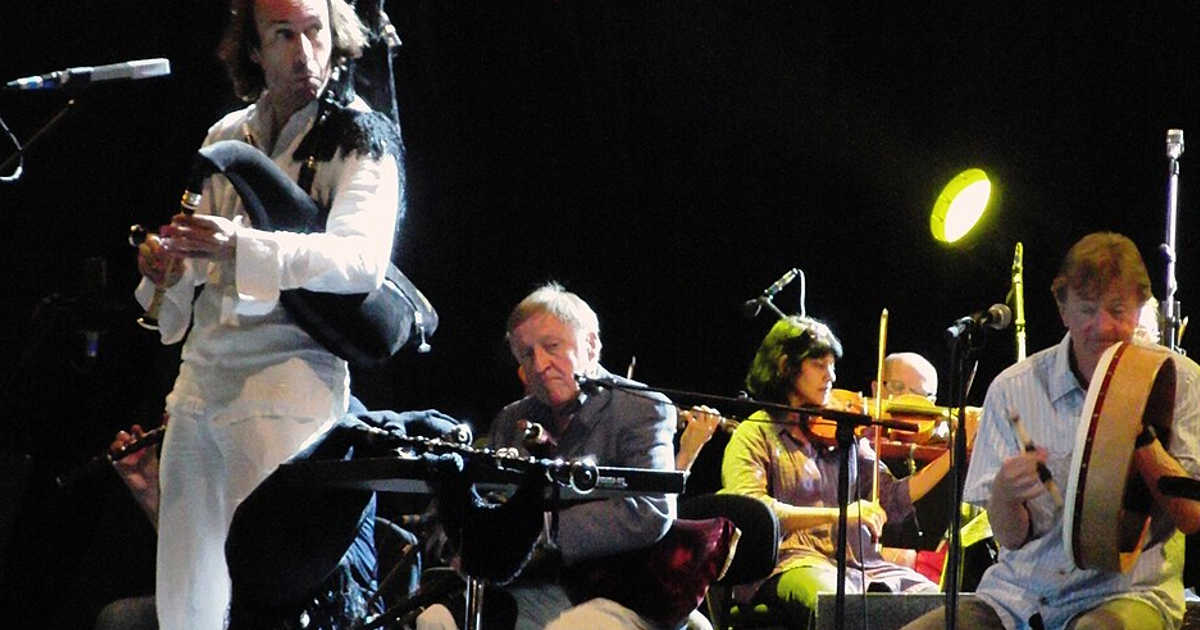
Formation
The Chieftains were formed in Dublin in 1962 by uilleann piper Paddy Moloney, bringing together some of Ireland's finest traditional musicians. The original line-up included Seán Potts, Michael Tubridy, Martin Fay and David Fallon. At a time when Irish folk music was largely confined to pubs and traditional sessions, Moloney had bigger ambitions, hoping to bring the music to audiences far beyond Ireland.
The Chieftains 1
In 1964, The Chieftains released their self-titled debut album, The Chieftains
, later commonly known as The Chieftains 1
. Recorded while the musicians were still holding down regular day jobs, the album featured traditional Irish tunes played with remarkable skill and authenticity. There were no grand plans for international stardom just yet, but the record laid the foundations for what was to come.
Breakthrough
The Chieftains' big turning point came in 1975, following a hugely successful St. Patrick's Night concert at London's Royal Albert Hall. The enthusiastic reception convinced the musicians that the time had finally come to turn professional. After more than a decade of playing together on a part-time basis, they took the plunge and committed themselves to music full-time.
That same year, director Stanley Kubrick featured The Chieftains' recording of Women of Ireland (Mná na hÉireann)
in his historical drama Barry Lyndon. The film's soundtrack went on to win an Academy Award, introducing the band's haunting traditional sound to a much wider audience. Suddenly, Irish folk music was reaching filmgoers around the world, and The Chieftains were gaining serious international attention.
Later Years
With their international reputation growing, The Chieftains spent the late 1970s and 1980s touring extensively, bringing traditional Irish music to audiences across Europe, America and beyond. Their performances proved that you didn't need electric guitars or flashy stage productions to hold a crowd. The combination of pipes, fiddles, flutes and whistles was more than enough to win over new fans.
The band also became regular ambassadors for Irish culture, performing at major venues and prestigious events around the world. Their line-up evolved over the years, with musicians including Matt Molloy, Kevin Conneff and Derek Bell becoming central to their sound. Despite losing several members over the decades, The Chieftains continued performing until the death of founding member Paddy Moloney in 2021.
Collaborations
One of The Chieftains' greatest strengths was their willingness to work with musicians from completely different backgrounds. Their 1988 album Irish Heartbeat
with Van Morrison remains a particular favourite, blending traditional Irish tunes with Morrison's unmistakable vocals. They later teamed up with Sinéad O'Connor on The Long Black Veil
, delivering a beautiful version of The Foggy Dew
that became one of their best-known recordings.
The band's connections with rock royalty didn't stop there. The Rolling Stones joined them for a memorable version of The Rocky Road to Dublin
on The Long Black Veil
in 1995, while Sting, Mark Knopfler and Mick Jagger also appeared on the album. These collaborations helped introduce The Chieftains to rock audiences who might never have picked up a traditional Irish music record.
The Singles
Although The Chieftains were never really a singles band, several recordings became firm favourites with fans. The Foggy Dew
with Sinéad O'Connor, The Long Black Veil
The Rocky Road to Dublinwith The Rolling Stones are among their most recognisable tracks. Instrumental favourites such as
Women of Irelandand
O'Sullivan's Marchalso helped establish their reputation worldwide.
The Albums
Across a recording career spanning more than five decades, The Chieftains released an impressive collection of studio and live albums. Their early records, including The Chieftains 2
(1969),
The Chieftains 4
(1973) and The Chieftains 5
(1975), captured the band's traditional roots. Later releases such as Irish Heartbeat
(1988) and The Long Black Veil
(1995) brought their music to an even broader audience.
The band continued exploring new musical territory with albums such as Santiago
(1996), which celebrated the links between Irish and Galician music, and Tears of Stone
(1999), featuring collaborations with female artists. Their 2012 album Voice of Ages
marked their 50th anniversary and included appearances by younger musicians, proving that The Chieftains still had plenty to offer after half a century.
Final Verdict
The Chieftains might not have been a rock band, but their influence on Irish rock music is impossible to ignore. By bringing traditional Irish sounds to international audiences and collaborating with some of rock's biggest names, they helped break down the barriers between folk and popular music. Their legacy can be heard in the work of countless Irish musicians, from Celtic rock bands to modern folk-influenced artists. Few Irish groups have done more to put the country's musical heritage on the world stage.
READ MORE | The Best Irish Music Right Now.
Photo Credit: Amio Cajander | CC BY-SA 2.0.